Login
Login Help Center
 How to get verified

Fraud Article
Insights from Austin: Our key takeaways from Marketplace Risk
As 2026 unfolds, the fraud and compliance landscape is rapidly changing. At the Marketplace Risk event in Austin, leaders from Airbnb, Amazon, Meta, and more shared insights on tackling these challenges. The takeaway? While risks grow, the commitment to safety is stronger than ever.
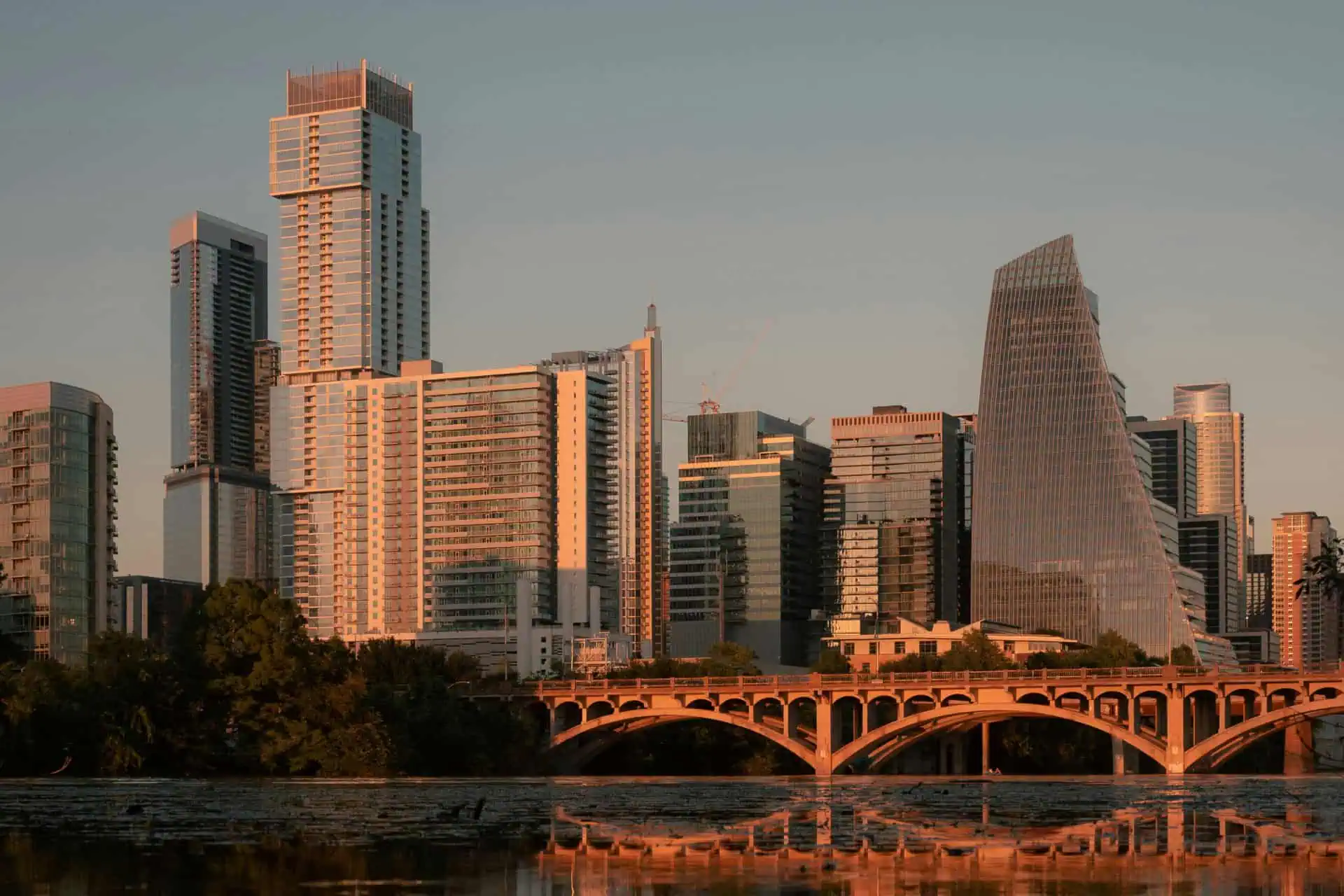
As we move deeper into 2026, the landscape of fraud and compliance is shifting rapidly. The Marketplace Risk event in Austin, Texas event gave us a front-row seat to hear how industry giants like Airbnb, Amazon, Meta, Thumbtack, and DoorDash are navigating these changes. The consensus? While the challenges are evolving, the commitment to safety has never been stronger.
Here is a look at what we learned, who we met, and why we are more confident than ever about the future of marketplace security.
Fighting fraud: An ecosystem approach
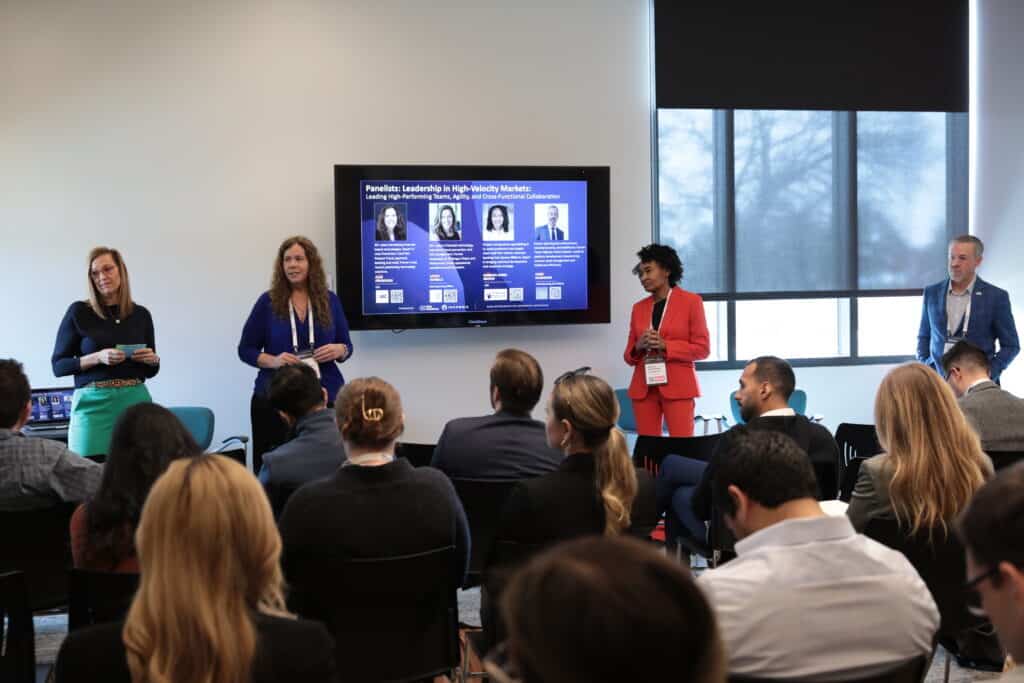
One of the highlights for our team was seeing our own Carly Brantz take the stage alongside Kristin Kupiec from DoorDash. Their session, titled “When Trust Is the Target: Fighting Fraud Across Employees, Vendors, and Bad Actors,” tackled a critical reality that many businesses face today.
Fraud isn’t an isolated incident. It doesn’t just happen in one corner of a platform. Carly and Kristin discussed how fraud has become an end-to-end ecosystem problem. It permeates multiple layers of a business, from external bad actors trying to gain access to internal vulnerabilities involving employees or vendors.
The multi-layered threat
The session emphasized that you cannot simply put a lock on the front door and assume your house is safe.
- Vendor vulnerabilities: Third-party risks are real, and bad actors often use less secure vendors as a backdoor into larger systems.
- Internal risks: Employee fraud, whether intentional or through social engineering, remains a significant threat vector.
- Sophisticated bad actors: The tools available to fraudsters are better than ever, requiring equally sophisticated defenses.
The discussion highlighted that trust must be built into every layer of the operation, not just the customer-facing side. It requires a holistic view where compliance and fraud prevention teams work in lockstep to secure the entire ecosystem.
Hearing from the industry titans
Beyond Veriff´s own session, the event was packed with insights from some of the biggest names in the tech world. We heard from leaders at Airbnb, Amazon, and Meta, among dozens of others.
What stood out was the shared sense of responsibility. These platforms connect millions of people globally, and the executives we heard from are acutely aware of the stakes. They aren’t just reacting to threats; they are actively shaping policies and technologies to predict them.
Key themes we observed
- Proactive over reactive: The shift is clearly moving toward proactive prevention. Companies are investing heavily in identity verification and behavioral analysis to stop bad actors before they can cause harm.
- Collaboration is key: Fraudsters share information, and now, trust and safety professionals are doing the same. The collaborative spirit at the event was palpable.
- Balancing friction and safety: The eternal struggle of keeping marketplace customers safe throughout their entire experience on the platform without ruining their experience is still a hot topic. Leaders are finding smarter, more seamless ways to verify users without sacrificing conversion.
Conversations that matter
While the speaking sessions provided high-level strategy, the real magic often happens in the hallways and networking areas. Throughout the event, we had the chance to talk with companies from across the globe.
We heard firsthand how different regions are tackling compliance. The regulatory landscape is fragmented, and what works in Europe might not apply in Asia or North America. Hearing how these diverse companies handle trust and safety gave us a broader perspective on the global fight against fraud.
Despite the fact that fraudsters are evolving their tactics daily, we walked away from these conversations feeling optimistic. The industry isn’t standing still. These companies are taking a proactive, aggressive approach to keeping their users and systems safe. The battle is ongoing, but the good guys are armed with better tools, better data, and a stronger community than ever before.
Looking ahead to San Francisco
Austin was fantastic, but our work is far from over. Events like Marketplace Risk are vital recharge points for our industry. They remind us that we aren’t fighting these battles alone.
We are already counting down the days until the next gathering. We can’t wait to see everyone again at the next Marketplace Risk Summit, happening May 12-14, 2026, in San Francisco. If the Austin event was any indication, San Francisco is going to be another invaluable opportunity to learn, share, and strengthen the shield of trust we build for our users.
See you in the Bay Area!