
Our industry was born under the driver of complying with regulators. That origin story still shapes how most teams measure identity verification: pass rates, audit findings, whether or not you’ll be fined. I think we are now in a different era – the era of performance. And in truth, it was always here. The regulator

At this year’s Veriff Summer Week flagship event, Grand ‘Hey, Veriff’, moderator Tom Pooley, Data Product Manager at Veriff, sat down with Kaarel Kotkas, Founder and CEO, Hubert Behaghel, CTO, and Rob Brazier, CPO, for a fireside chat on The Future of Identity – digital IDs, the AI-fraud arms race, and what happens to identity

Fragmented, orchestrated IDV stacks lose the low-level signal data needed to catch AI-driven fraud. Only a vertically integrated, capture-to-decision architecture preserves that signal, and it’s the only foundation that supports continuous, lifecycle-long trust instead of one-time onboarding checks. Why this matters now IDV systems face escalating attacks from generative AI, deepfakes, and stolen identity data.

If your business onboards customers digitally, runs KYC checks, or processes identity data at scale, you already know that regulatory risk doesn’t stay neatly in one lane. Anti-money laundering requirements, fraud prevention obligations, and data privacy rules increasingly overlap, and right now, the privacy layer is getting more complex every year. There’s still no federal

The energy in Bangkok was undeniable as Money20/20 Asia brought together some of the brightest minds and boldest innovators shaping the future of finance. For Veriff, attending this premier event meant much more than setting up a booth and shaking hands. It gave us a vital opportunity to connect, collaborate, and contribute to the ongoing

In the identity verification industry, there’s a game-changing capability that sets Veriff apart. A feature most providers lack, and many businesses don’t even know to look for. While legacy solutions focus on document accuracy and processing speed, which are important but increasingly insufficient in today’s complex threat landscape, Veriff has developed something far more advanced.
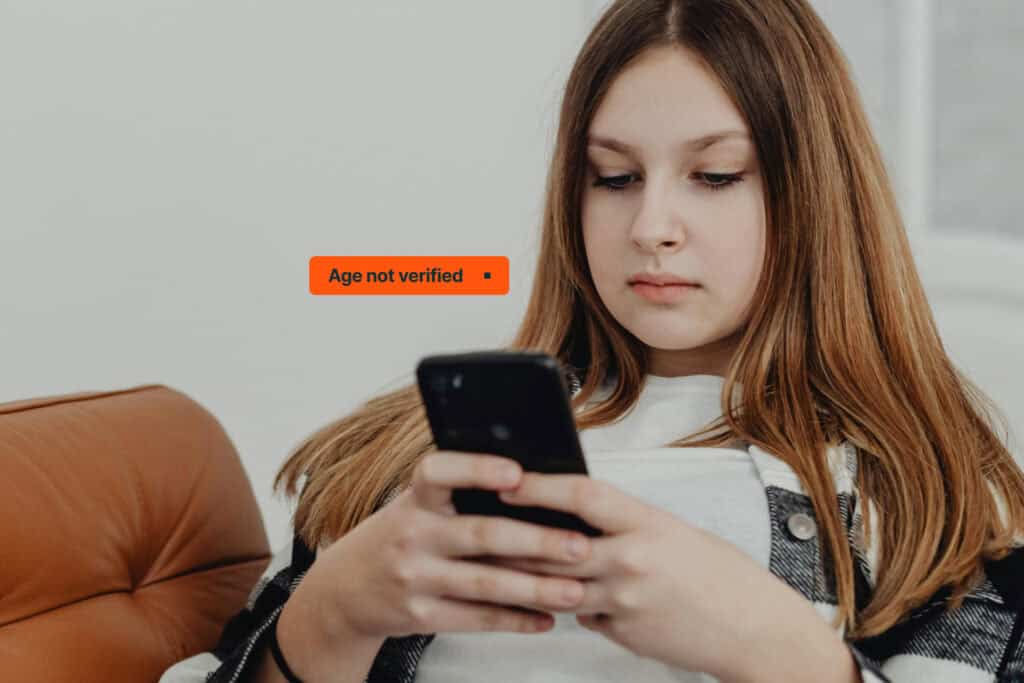
Courts and regulators worldwide are sending a strong message: blanket bans are ineffective at keeping young users safe online, which is why age assurance is becoming increasingly important. Major platforms are now being held accountable not just for content, but for interactive features, like infinite scroll and algorithmic feeds, that are argued as product liabilities.

Seamless identity verification is critical in today’s mobility industry, where convenience, security, and trust underpin user experience in ride-sharing, bike and scooter-sharing, and car rental platforms. Integrating biometric authentication methods, such as such as voice recognition, behavioral analysis, and facial matching, highlights the biometric authentication benefits that enable mobility providers to validate drivers and users

APAC is a mosaic of markets, each with its own regulatory frameworks, government ID systems, and consumer behaviors. From mobile-first habits to the prevalence of super apps, the region’s digital landscape is unlike any other. A global Know Your Customer (KYC) flow that works in London or New York will likely stumble in Jakarta or

 Login
Login Help Center
 How to get verified