
What are digital documents? Digital documents are the next step in the evolution of identity records. They securely integrate essential information like your photo, name, date of birth, and document number into an app-based format on a mobile device. These documents maintain the integrity of physical IDs while offering greater flexibility and security. Various governmental

Anonymous accounts are the biggest fraud vulnerability e-commerce platforms carry into the agentic AI era. Stop tolerating unverified users. Every other security measure depends on it. Agentic AI is reshaping e-commerce faster than most platforms are prepared to handle. Bots that shop autonomously on behalf of humans are no longer a future concept, they’re being

The old approach to age verification is breaking down — and regulators are no longer willing to wait. Self-declaration checkboxes and basic ID scans were always a weak line of defense. For a long time, platforms got away with it. That window is closing. Governments and regulatory bodies across the US and beyond are tightening
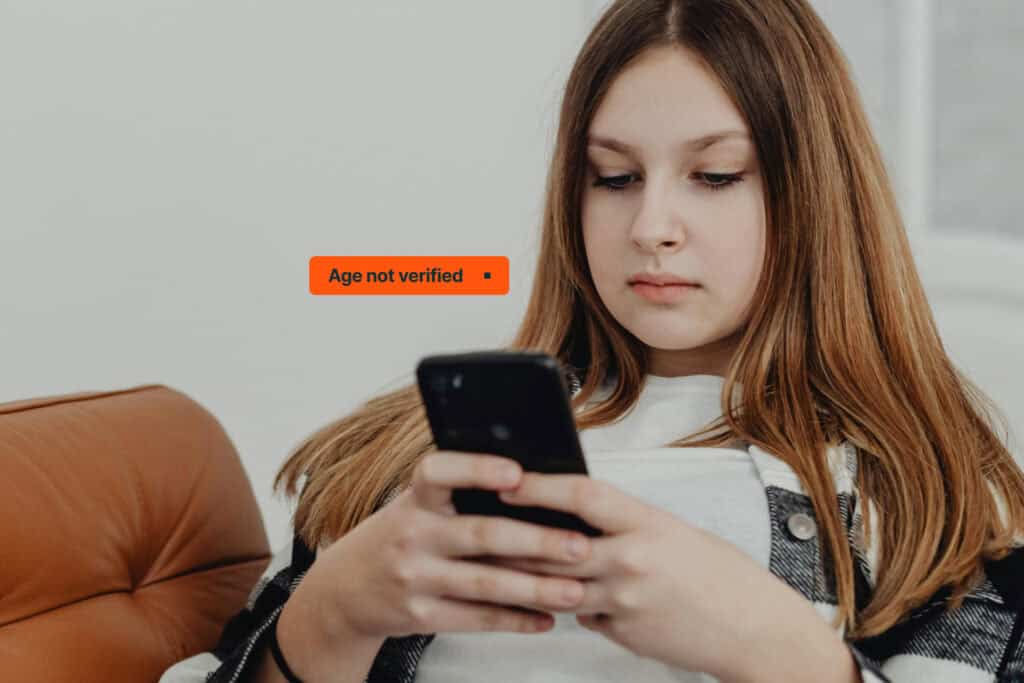
Courts and regulators worldwide are sending a strong message: blanket bans are ineffective at keeping young users safe online, which is why age assurance is becoming increasingly important. Major platforms are now being held accountable not just for content, but for interactive features, like infinite scroll and algorithmic feeds, that are argued as product liabilities.

Seamless identity verification is critical in today’s mobility industry, where convenience, security, and trust underpin user experience in ride-sharing, bike and scooter-sharing, and car rental platforms. Integrating biometric authentication methods, such as such as voice recognition, behavioral analysis, and facial matching, highlights the biometric authentication benefits that enable mobility providers to validate drivers and users

The cryptocurrency market is undergoing a massive transformation. What started as a decentralized experiment has matured into a complex financial landscape requiring robust guardrails. At Merge São Paulo 2026, an all-women panel of industry experts took the stage to tackle one of the most pressing topics in this space: how to build the next generation

For years, the conventional wisdom for business growth was simple: make everything easy. We were taught to remove every obstacle from the customer’s path. ‘Don’t ask too many questions,’ the experts advised. ‘Keep the sign-up to two clicks.’ The goal was a ‘seamless’ experience, often bypassing critical steps like onboarding identity verification, allowing a customer

APAC is a mosaic of markets, each with its own regulatory frameworks, government ID systems, and consumer behaviors. From mobile-first habits to the prevalence of super apps, the region’s digital landscape is unlike any other. A global Know Your Customer (KYC) flow that works in London or New York will likely stumble in Jakarta or

For financial service providers, compliance with Know-Your-Customer (KYC) regulations and anti-money laundering (AML) laws is critical. It´s not just about meeting legal obligations but also about protecting your business, customers, and the financial system. Whether you’re a startup, small-to-medium-sized business (SMB), or an established institution, having the right tools and processes can make all the

In today’s digital economy, trust has become one of the most valuable assets a business can build. Whether launching a new platform or operating globally, users expect fast onboarding, seamless experiences, and strong protection for their personal data. At the same time, online businesses face a growing challenge: fraud is becoming more sophisticated, while regulatory

 Login
Login Help Center
 How to get verified