
 Login
Login Help Center
 How to get verified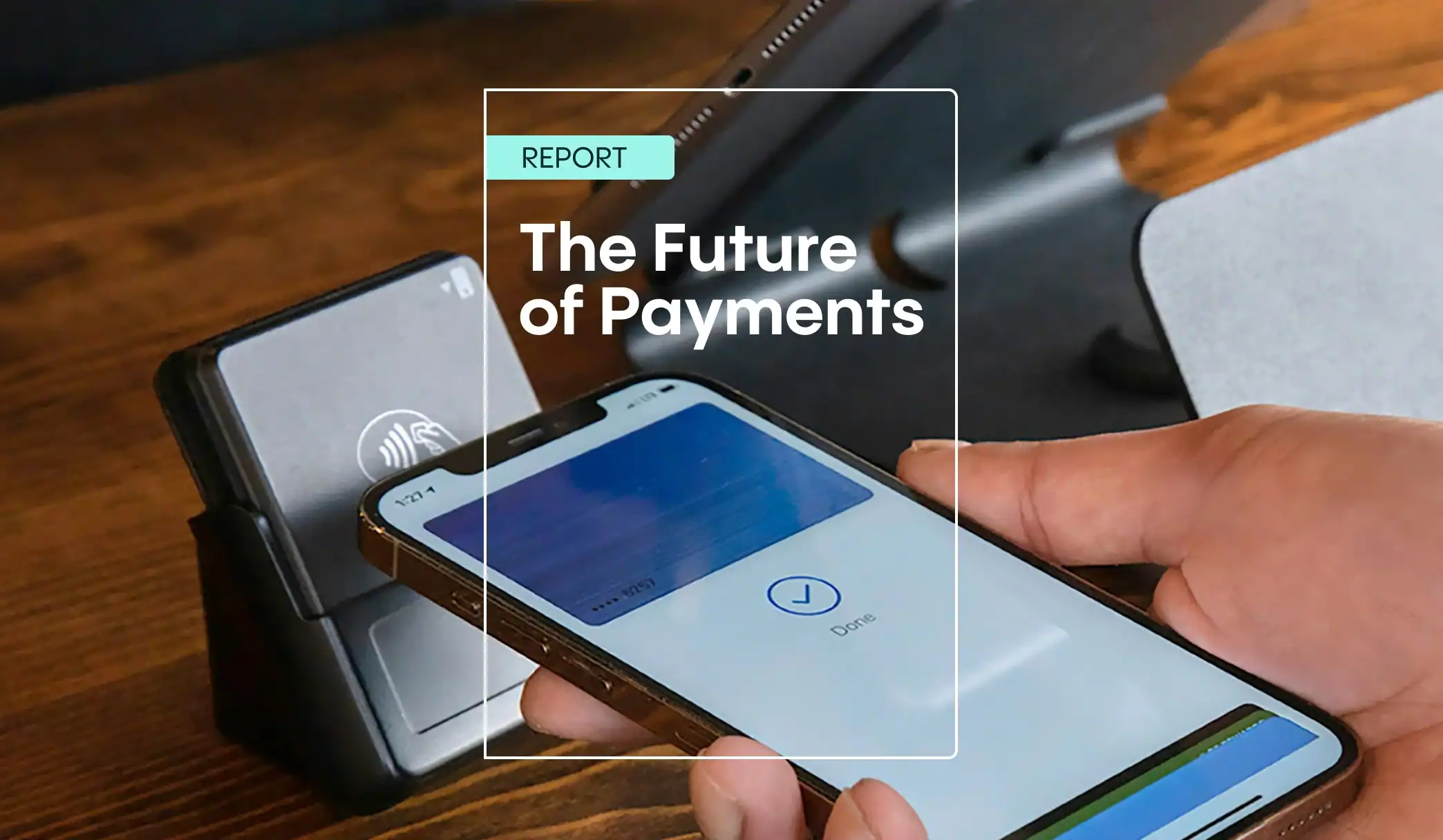
Why this report matters
Online fraud is no longer a background risk for payments providers — it’s a central business threat. As digital payments volumes surge worldwide, fraudsters have followed, using AI-generated identities, deepfake media, and sophisticated impersonation attacks to target platforms of all sizes.
The Future of Payments combines global verification data, industry surveys, and consumer insights to show you where fraud risk is highest and how to respond with AI-powered identity verification and biometrics.
Fraud is on the rise
Fraud in the payments sector is accelerating as attackers adopt AI-generated identities, deepfakes, and digitally manipulated media to bypass legacy controls. Veriff’s 2025 data reveals a clear shift in fraud behavior — making modern, adaptive defenses a necessity for payments providers.
growth in attempted fraud in the payments sector — a surge that pushed the vertical from moderate to high risk
increase in sophisticated fraud attempts driven by AI-generated and digitally manipulated media
of businesses reported negative financial impact due to payments fraud
of consumers expect strong identity verification (e.g., ID + selfie) when using financial services, including payments.
What you’ll learn
Get a clear, data-driven view of how fraud is reshaping the payments landscape — and what payments providers must do to stay secure as AI-driven attacks scale.

Global payments fraud trends
The biggest shifts in fraud risk and what’s accelerating it.
AI-powered fraud techniques
How deepfakes, synthetic identities, and media manipulation are being used to target payments.
Customer and industry insights
Which markets, users, and payments use cases face the highest fraud rates.
Practical defense strategies
How AI-powered IDV, biometrics, and multi-layered prevention strengthen trust and compliance.

Get The Future of Payments report
Gain essential insight into how identity fraud is impacting payments, how AI is transforming risk, and what you need to secure your platform — without slowing growth.

Compliant

Compliant

Certified

Certified

Certified

Level 1

Level 2



What is The Future of Payments report?
The Future of Payments is a free Veriff research report analyzing how online fraud is impacting the global payments industry. It focuses on rising fraud risks, AI-powered attacks, impersonation fraud, and the technologies payments providers use to protect users and transactions.
Is The Future of Payments report free to download?
Yes. The report is completely free. Simply fill out the form on this page to receive instant access.
Who should read The Future of Payments report?
This report is designed for payments platforms, fintech companies, remittance providers, and financial services organizations. It’s especially relevant for fraud, risk, compliance, security, product, and growth leaders responsible for protecting payments and user trust.
What types of payments fraud does the report cover?
The report covers key forms of payments fraud, including:
- Impersonation fraud
- AI-generated and deepfake identity fraud
- Digitally manipulated images and video
- Account takeover and onboarding fraud
- Payment-related identity misuse
How does AI impact payments fraud?
AI has become a major driver of payments fraud by enabling deepfakes, synthetic identities, and large-scale impersonation attacks. The report explains how fraudsters use AI — and how payments providers can counter these threats with AI-powered identity verification and biometrics.
Does the report explain how to prevent payments fraud?
Yes. The report outlines how modern fraud prevention relies on multi-layered defenses, including AI-powered IDV, biometric authentication, liveness detection, and ongoing reauthentication across the payments lifecycle.
Does the report include real data and research?
Yes. The insights are based on Veriff’s global identity verification data from 2025, combined with findings from fraud decision-makers and consumer research on digital payments security.
Is this report relevant for my region or market?
Yes. The Future of Payments is based on global fraud data and includes insights relevant to payments providers operating across North America, Europe, Latin America, and other international markets.
How is this report different from other payments fraud reports?
Unlike generic payments fraud reports, this research focuses specifically on identity-driven fraud, AI-generated media, and impersonation attacks — the fastest-growing threats to payments platforms today.
How can Veriff help payments providers after reading the report?
Veriff helps payments providers verify users, prevent fraud, and stay compliant using AI-native identity verification, biometrics, and fraud intelligence. The report explains how these technologies support secure growth without adding friction.