Acceso
 Ayuda
 Obtener Verificación
EN ESTA PÁGINA
- Ira, "zombie identity" is a striking term. Where did it come from?
- So what is a zombie identity exactly?
- How did the idea for this report come about, and why now?
- Let's talk about that market. Each business "sees only its own clients" and can't see where an identity has been before. What does that look like?
- So how do you close that gap in Veriff?
- One case study follows a genuine document that fraudsters kept reusing, including 90 attempts at one platform. Walk me through it.
- What goes through your head when you see a pattern like that?
- What happens after a fraudster gets declined? Do they give up?
- Within an hour is fast. Do they always come back that quickly?
- When an identity is coerced or handed over, the real owner may be sitting right next to the fraudster. Why is that so hard for businesses to deal with?
- So what does give it away?
- Do you see this in particular industries?
- So where does this go next? What should businesses do differently?
- What does that look like in practice?
- Any final thought for businesses reading this?
noviembre 18, 2026

Artículo de fraude
The identities that refuse to die: Inside the zombie identity economy
A conversation with Ira Bondar, Fraud Platform Lead at Veriff and author of Veriff’s Identity Fraud Report 2027
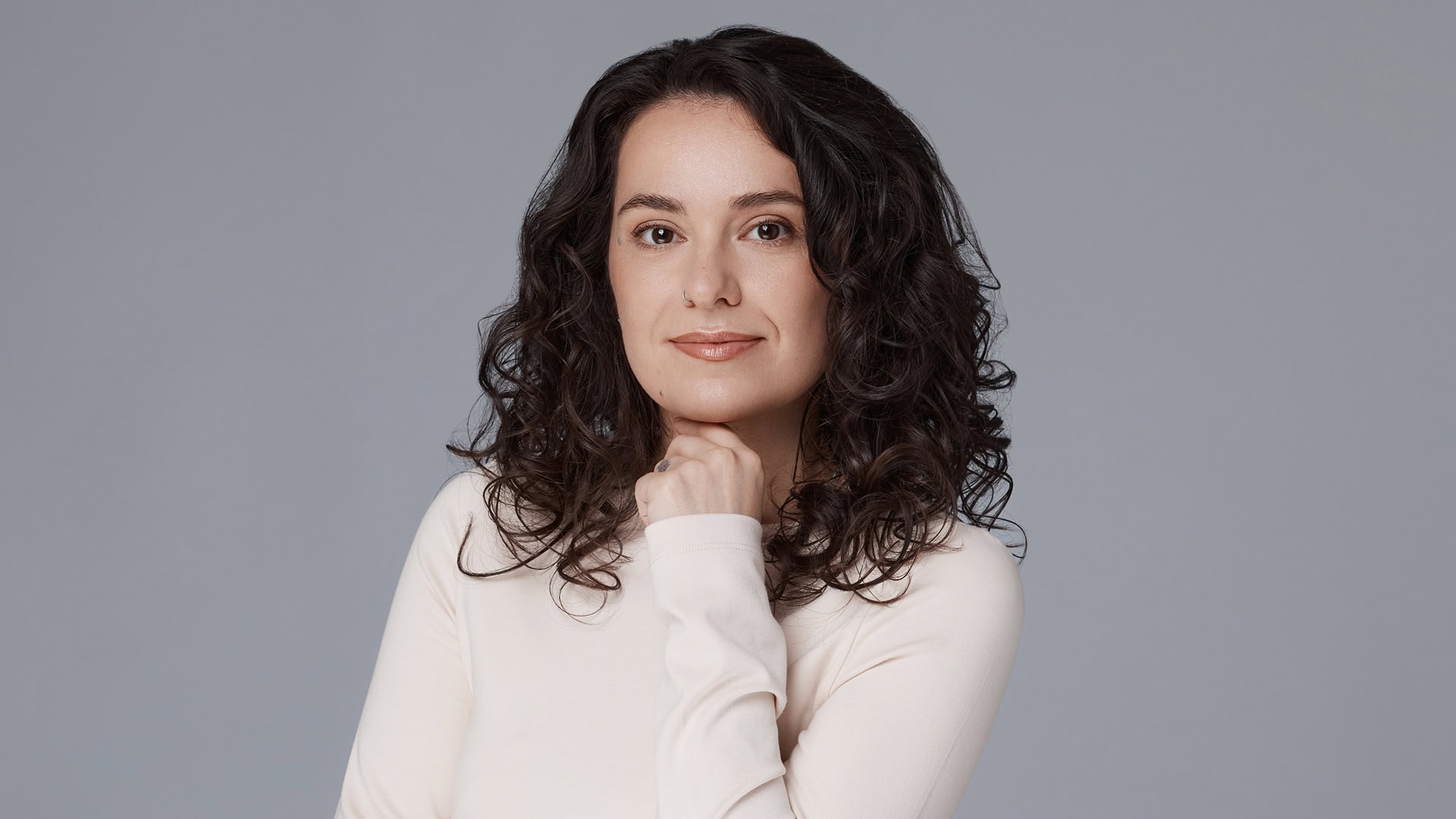
Ira Bonda-Mucci led the analysis behind this year’s report, which looked at hundreds of millions of verifications across 12 industry verticals. We asked her what the data reveals about the zombie identity economy, why «fraud remembers», and what businesses should do about it.
Ira, «zombie identity» is a striking term. Where did it come from?
We borrowed it from cybersecurity. There, a zombie is a device infected with malware and controlled remotely, often without its owner knowing. The parallel was too close to ignore.
So what is a zombie identity exactly?
A zombie identity, also called a recycled or circulating identity, is a real, verified identity that keeps passing checks after the person behind it has lost control of it. Whether that control was stolen, coerced or handed over willingly, the identity keeps working.
We adapted the term because the existing ones only cover part of the problem. Identity theft describes one way it can start. Synthetic identity describes a different kind of fraud altogether. Neither describes a real identity that stays in circulation long after its owner has lost control of it.
A synthetic identity is made from real and invented details, so there’s no single real person behind it. A zombie identity starts as a real, verified identity that belongs to a genuine person, but someone other than that person is now using it. And identity theft is usually seen as a single event, but with a zombie identity the misuse doesn’t stop. The same identity gets used again and again across businesses, whether it was stolen, bought or coerced from its owner. Because the document is genuine, document checks on their own can pass. The fraud isn’t in the document. It’s in who is presenting it.
How did the idea for this report come about, and why now?
The concept for this story emerged from Veriff’s data. We usually think of fraud as simple: someone tries to get through, the system catches them, and that’s the end of it. But we kept seeing something different. Real identities would pass a genuine check, then turn up again at other businesses long after the first account had been blocked. So we set out to follow those identities through their whole lifecycle.
What we found wasn’t a series of one-off attempts. 62% of identities that came back to the same business after a fraud decline did so within an hour. Others played the long game: 1 in 5 went quiet for more than three months before resurfacing.
Why now? Scale. This wasn’t a handful of stray cases; it ran through the whole system. Almost one in three documents we classified as fraudulent started life as a real person’s genuine ID, and in BNPL it’s closer to half. That’s not a rounding error. It’s a market. And each of those checks can look clean on its own. The document is real, the face is live. The signal isn’t in any one session. It’s in the recurrence.
Download Now
Learn how verified credentials are stolen, rented, and reused across platforms, and how to stop the cycle.
Let’s talk about that market. Each business «sees only its own clients» and can’t see where an identity has been before. What does that look like?
Every business that runs identity verification sees its own traffic and nothing else. A check passes or fails, and for that business, it’s done. But fraudsters don’t stay inside those walls. They move across them, and they come back.
The scale of those repeat attempts is what this report is built around. Among identities that were approved at least once and later declined for fraud, the most active 1% went through 38 or more verification attempts across 12 or more different businesses. And that’s only what we could see as their verification provider. These aren’t isolated bad actors slipping through a crack. It’s one identity being worked, over and over, at business after business.
So how do you close that gap in Veriff?
This is the gap CrossLinks was built to close. Within a single business, it connects document, biometric, device, and network signals across sessions. Industry CrossLinks extends that view across businesses in the same industry. It works on document data and device and network signals. The only thing the next business sees is an anonymous risk insight that says the session is linked to fraud elsewhere. No personal data changes hands. With that view, what looked like a dozen unrelated incidents turns out to be one document, one identity, one operation.
Fraud defenses can no longer rely on isolated checks. The hard part isn’t linking sessions. It’s linking them precisely. Families share laptops, offices share IP addresses, students share phones. If you can’t tell a household from a fraud ring, you only move the cost onto good customers.

Fraud defenses can no longer rely on isolated checks. The real challenge isn’t linking sessions; it’s linking them precisely. Because when you can’t tell a household from a fraud ring, it’s your good customers who pay the price.

One case study follows a genuine document that fraudsters kept reusing, including 90 attempts at one platform. Walk me through it.
Yes! So it starts with a real person passing a genuine verification at a payments platform. The document was authentic, the face matched, and the approval was correct. That part is simple. What makes the case worth telling is what happened to that identity next.
Within a week, a stranger showed the same document, with their own face on it, at a different business. About a month in, the fraudsters went back to the platform that had approved the real owner and made 94 attempts over 18 separate days, often in bursts just a few minutes apart.
They kept the template, the security design and the document number, the parts that made it look valid. They changed the name, date of birth, face, gender and expiry date. One real document became many fake IDs. That’s deliberate. The document number is the part that gets past format and database checks, so they keep it. Then they change what a reviewer looks at first, the face and the name. In some months, more than 80% of these tampered documents kept the real document number.
What goes through your head when you see a pattern like that?
When I see bursts like that, I don’t see one person at a keyboard. I see a production line. This is Fraud-as-a- Service where each attempt is a probe and each decline is feedback. They can iterate faster than anyone can review them one at a time, so the pattern has to be caught across sessions, not by looking harder at a single one. It’s a numbers game, and one approved account can be enough to pay off.
What happens after a fraudster gets declined? Do they give up?
A decline is rarely the end. 55% of fraud declines were followed by another verification attempt within 90 days. About half went back to the same business, and 62% of those returned within an hour.
Download Now
Learn how verified credentials are stolen, rented, and reused across platforms, and how to stop the cycle.
Within an hour is fast. Do they always come back that quickly?
No, not always. Some others take their time. Almost 9% of declines were followed by an attempt with the same document at a different business, about four weeks later. In lending, it was 12%. And of the identities that resurfaced within a year of a decline, one in five had been quiet for more than three months. Nearly half came back to a different business, and in fintech it was more than half.
The waiting is part of the method. Fraudsters stop for a while and come back later, hoping the gap makes them look new. Waiting only helps them if nobody links the new attempt to the old ones.
That’s «aged account» logic at the identity level. A brand-new account with unusual activity draws suspicion. An identity that has sat quietly for months looks established and trusted. Fraudsters know it, and they’re willing to wait.
When an identity is coerced or handed over, the real owner may be sitting right next to the fraudster. Why is that so hard for businesses to deal with?
Because nothing looks wrong.The face is real, the document is genuine, and the liveness check passes. Every signal a verification check is built to look for is there. And how it plays out depends on how control was lost. When an identity is stolen, the owner may eventually notice unauthorized activity. When someone is coerced, trafficked, or told it carries no real risk. There’s no victim raising the alarm. And because nothing has been tampered with, a single verification check can’t spot it.
That’s why we built Presence Verification with Coercion Detection. It looks at the audio and video of the whole session, not just the face.
So what does give it away?
What gives it away is usually not the document or the face. It’s the context. A second voice in the room. Eyes going off-screen to be told what to do next. The same «helper» face in the background of different people’s sessions. One device that has verified twenty different people. You won’t see any of that if you only check that the document and the face match.
Download Now
Learn how verified credentials are stolen, rented, and reused across platforms, and how to stop the cycle.
Do you see this in particular industries?
We see a version of this in mobility too. About a third of suspicious re-checks of existing drivers were someone posing as the account holder, whether a driver renting out the account or a camera injection attack, and in roughly one in five of these flagged checks, the face didn’t match the driver who originally signed up. Passengers end up in a car with someone nobody has vetted.
Onboarding verification was built to ask «do this document and this face match?», not «is this person acting freely?» Those are different questions, and answering the second one takes more than a one-off check.
So where does this go next? What should businesses do differently?
Verification can’t be a gate you pass once and are then trusted forever. It has to be continuous, and it has to have memory. Onboarding is where trust starts, not where it ends. The data backs this up. When businesses re-check existing users, 2 to 4 in 100 are flagged for fraud. Those are people who already passed onboarding.
What does that look like in practice?
In practice, that means re-checking identity at high-risk moments, like a payout request or a login from a new device. It means confirming that a person is present and acting of their own free will, not just that a face is live. And it means connecting signals across sessions and businesses, so a document that has already failed several checks elsewhere doesn’t start from zero at the next one.
Further out, AI agents are the same problem with a new face. We trust agents more and more to book services, manage accounts, and fill in applications for us. If someone loses control of the identity or credentials behind an agent, it keeps acting anyway. The authorization still works, but the person behind it is no longer in control. So the question changes from «is this the right person?» to «is this agent acting for the right person, with their consent, right now?» Businesses should plan for that now.
Any final thought for businesses reading this?
Fraud doesn’t disappear when you decline it. It goes dark, and it waits. The businesses that stay ahead won’t be the ones with the strictest single check. They’ll be the ones whose verification remembers.
Fraud remembers. Make sure your verification does too.