
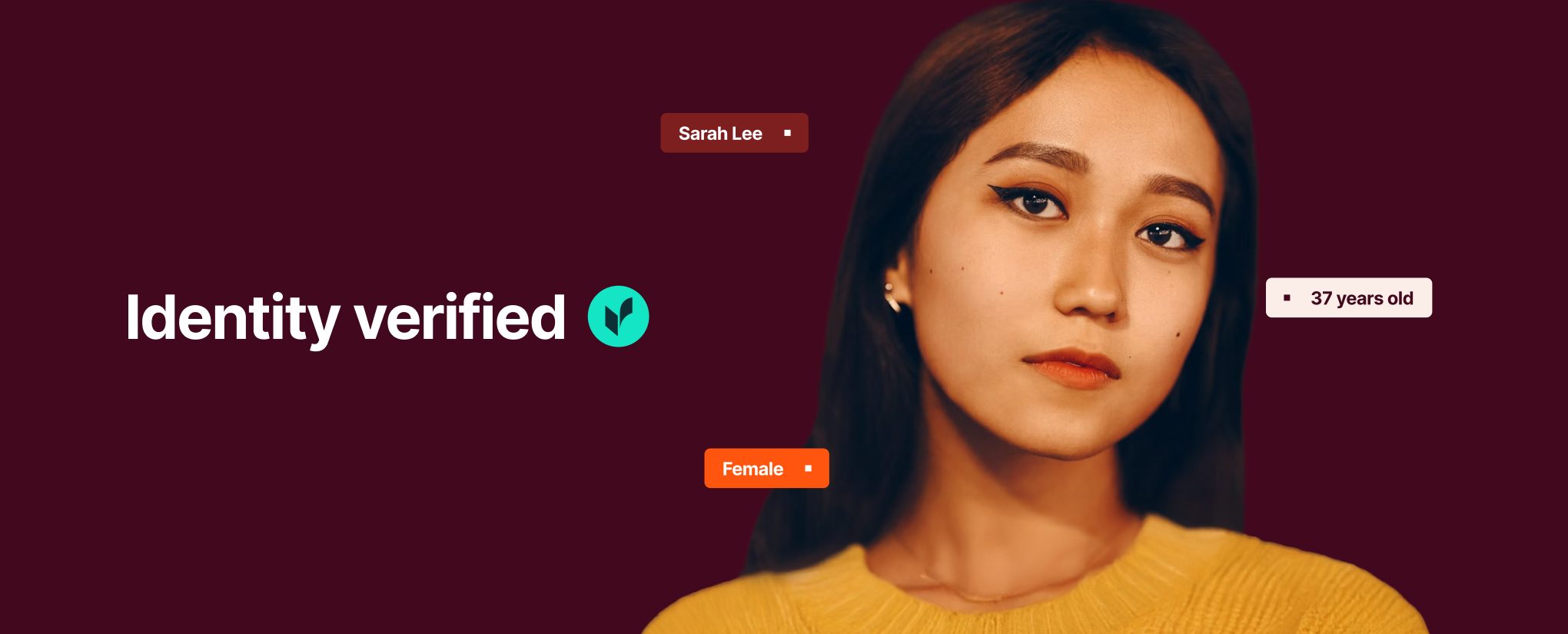
The ultimate KYC buyer’s guide
Navigating know-your-customer protocols in a digital-first world
The ultimate KYC buyer’s guide
Navigating know-your-customer protocols in a digital-first world
The ultimate KYC buyer’s guide
Navigating know-your-customer protocols in a digital-first world





Introduction
In an era of sophisticated deepfakes and evolving global regulations, selecting a know-your-customer (KYC) provider is no longer just a compliance checkbox. It is a strategic decision that impacts user conversion, operational costs, and brand reputation.
The danger is clear. Fraudsters are evolving their capabilities and tactics, making it harder than ever to verify a person’s identity. This has significant implications for KYC and for anti-money laundering (AML) requirements.
The threat was exposed in Veriff’s Identity Fraud Report 2026, our investigation into the state of online fraud drawn from deep analysis of our customer data. This pointed to an enduring danger that is evolving with new technology:
This report outlines the essential pillars of modern identity verification to help you choose a partner that scales with your business. We provide a step-by-step guide to ensure you secure the right provider to deliver on KYC and AML demands, looking at everything from data security to customer convenience.
We created this report because cutting-edge KYC is more than a security imperative – it protects your reputation and your bottom line. Read on to learn how to make it work for your business.
4%
1 in every 25
verification attempts we encountered in 2025 involved someone pretending to be someone else.
300%
Increase in the AI-powered fraud threat.

PART 1
Key considerations for selecting a KYC provider
But how can you be sure you have the right infrastructure in place to protect your organization – and your customers?
While every business has individual needs, there are certain criteria that must be met. Before considering the individual features offered by a particular KYC specialist, all providers can be evaluated based on four foundational pillars:
1
Global coverage and regulatory compliance
A good KYC provider will support your current footprint. However, they must also deliver a solution that underpins your future growth, which could include expansion into new countries and jurisdictions around the world.
That’s why global reach is a key element of the Veriff advantage. This covers:
12,500+
government-issued IDs
230
countries and territories
48
languages and dialects
Constant evolution
Compliance is never static: the global regulatory environment for KYC is continuously evolving, meaning your provider must automatically update their capabilities as required to meet regional AML (Anti-Money Laundering) and CTF (Counter-Terrorism Financing) requirements. This includes:

Sanctions lists
These are lists of individuals, entities, or countries that are subject to economic sanctions by governments or international bodies, such as as the US Office of Foreign Assets Control (OFAC), the UN and the EU.

Politically Exposed Persons (PEP) lists
These identify individuals who hold prominent public functions and may pose a higher risk for potential bribery or corruption.

Adverse media
This involves searching for negative news or reports about a potential customer, as well as checking internal watchlists. The aim is to identify possible involvement in financial crime or other reputational risks.
Veriff’s AML Screening solution is designed to meet these complex and evolving demands. It enables businesses to automatically check customers against global sanctions, PEP, and adverse media lists, ensuring a complete risk assessment as part of their KYC and AML workflows.
Talk to one of our KYC experts, or scroll on to get more global fraud data

2
Technology and accuracy:
the AI edge
AI is a powerful weapon in the hands of fraudsters: our Identity Fraud Report 2026 found that digitally presented media is now 300% more likely to have some form of AI-driven manipulation. However, the same technology can also play a vital role in boosting your security.
With AI-driven KYC, you can avoid the challenges associated with manual reviews, which are often slow, potentially leading to dropped customer conversions. Even worse, manual efforts can be prone to error.
By contrast, cutting-edge AI-driven tools will automatically extract data, verify document authenticity, and check for liveness, reducing human error and speeding up decisions.
For example, Veriff automatically verifies the authenticity of documents and the identity of users, reducing the risk of fraud. Veriff’s 6-second identity checks – powered by AI – ensure seamless onboarding while minimizing abandonment and maximizing trust, based on a high automation rate.
98%
Veriff automation rate
that eliminates the need for extensive manual reviews and long wait times

But automation is not enough: while speed is vital, the technology must also be accurate. Ensure you ask any potential KYC provider about their false acceptance rates (FAR) and false rejection rates (FRR), when a person’s identity is either wrongly accepted or wrongly rejected.
At Veriff, we deploy cutting-edge technology to keep FAR and FRR to a minimum and operate at a 99.6% accuracy rate. For example, we use machine learning to detect "presentation attacks" that the human eye might miss: playing a video of a victim on the screen, for instance, using AI to swap faces, or even wearing a realistic mask to mimic someone’s face.
3
User experience (UX) and conversion
Every extra second in the onboarding flow increases the risk of customer abandonment. A world-class provider must offer a frictionless interface for customers. The technology should provide real-time feedback that’s easy to follow: for example, delivering simple instructions around lighting levels, for instance, or reducing glare on the ID.
The aim is to ensure the customer is swiftly onboarded at their first attempt. With Veriff, 95% of genuine users are verified successfully on their first try. Our system quickly detects liveness and realness, without asking users to move unnaturally or follow complex instructions.

95% of genuine users are verified successfully on their first try.
No matter the type of fraud that’s deployed, the damage to revenue and reputation can be severe.
Ira Bondar-Mucci
4
Integration capabilities
Every organization operates its own technology, with different features and capabilities depending on its industry and client needs. A cutting-edge KYC solution must adapt to your tech stack – not the other way around.
Look for robust APIs and SDKs (iOS, Android, and Web) that allow for seamless integration. A “Low-Code” or “No-Code” option is also vital for teams that need to deploy quickly without deploying heavy engineering resources

“Veriff’s use of advanced AI and machine learning algorithms to verify the identity of customers during registration was an absolute must. We’ve been really impressed by Veriff’s seamless integration process, user-friendly UI, and the speed of each ID verification session.”
Khrystyna Sopova
Head of Product at Cogni

Cogni is a leading lifestyle-focused digital banking platform founded in 2018. The neobank offers members zero-fee banking, free access to 55,000 ATMs worldwide, instant cash transfers, the ability to create virtual single-use cards featuring an alias number, credit score monitoring, and a multi-chain 100% non-custodial wallet.
Prior to Cogni’s partnership with Veriff, the neobank had been attempting to walk a tightrope between combating fraud and complying with strict KYC and AML regulations on one side, while reducing customer experience friction to an absolute minimum on the other.
According to Khrystyna Sopova, Head of Product at Cogni: “As we grew, we were facing challenges on three fronts; an increase in online fraud attacks, the growing burden of complying with KYC/AML regulation, and the very real risk of lost revenue as bad actors attempted to take advantage of our products, such as heavily discounted gift cards.”
Cogni’s labor-intensive and unscalable KYC and AML onboarding processes were replaced with Veriff’s AI-powered platform.
CASE STUDY
Veriff & Cogni
KYC powers growth for a pioneering neobank


This neobank had been attempting to walk a tightrope between combating fraud and complying with strict KYC and AML regulations.

PART 2
Essential KYC verification components
An effective KYC capability should be built on a holistic solution that verifies the document, the person, and the risk level involved.
This must deliver in several key areas:

Document verification
A cutting-edge system uses automated extraction based on optical character recognition (OCR) to validate global IDs. The technology should check for security features, font inconsistencies, and template integrity. To meet this demand, Veriff’s technology automatically analyzes more than 1,000 data points, using network and device analytics to combat evolving fraud typologies.

Biometric authentication (liveness detection)
The gold standard for fraud prevention, biometrics use facial recognition to compare the user’s selfie to their ID photo. Liveness detection ensures the person is physically present and not using a photo, video, or deepfake. Veriff’s biometric authentication system combines AI and facial biometric analysis, confirming a returning user’s identity through a streamlined experience with a one-second response time based on a simple selfie.

Proof of address (PoA)
It’s crucial to validate a customer’s residency, particularly in high-trust sectors, such as banking. Automated PoA extraction is essential to cut the time associated with manual processes. There are a wide range of document types to cover, from utility bills to bank statements and electoral registry entries, so ensure your IDV provider can deliver at a global scale.

Database checks
Validating identification data against authoritative databases (such as government registries) is essential in KYC. This includes real-time screening against global sanction lists from such bodies as OFAC and the UN, along with watchlists and Politically Exposed Persons (PEP) registries. This can help identify high-risk individuals before they enter your ecosystem.

Ongoing monitoring
Identity verification is not a one-time event: in fact, previously low-risk customers can become high risk. Ongoing monitoring continuously screens your existing user base against updated risk lists.
10 essential questions to ask your KYC vendor
You need to ensure your KYC provider meets a range of demands around technical requirements, compliance, and the user experience. Here is a checklist you can use in discovery calls to ensure your needs are met.

1
What is your true automation rate versus manual review?
Ask the vendor what percentage of their verifications are handled entirely by AI. High automation ensures speed and scalability, but you should also ask how they handle the "gray area" cases that the AI cannot verify with 100% confidence.
2
How do you detect and prevent deepfakes and injection attacks?
With the rise of generative AI, basic selfie checks are no longer enough. Ensure the vendor uses advanced liveness detection that can distinguish a physical human from a high-resolution video, mask, or digital injection.
3
Can you provide real-time feedback to users during the session?
A major cause of abandonment is poor photo quality. Ask if the system tells users in real-time if their ID is blurry, has glare, or is cut off. This immediate feedback significantly boosts conversion rates.
4
How many document types and countries do you support natively?
If you plan to scale, you need a partner that can read more than just standard passports. Verify that their OCR supports local scripts and diverse document types across your target markets.
5
What is your average time-to-decision?
Compliance should not be a bottleneck. Ask for their median verification time. Leading providers like Veriff typically return a definitive "approve" or "decline" decision in under 6 seconds.
6
Where is your data stored and how is it protected?
Identity data is a liability if not handled correctly. Ask about their data residency options (for example, EU-based storage for GDPR), encryption standards (AES-256), and security certifications like SOC2 – Type II and ISO 27001.
7
How do you minimize false positives in AML screening?
Poorly configured screening can flag thousands of innocent customers who share a name with a sanctioned individual. Ask if the vendor uses "fuzzy matching" and additional data points (like date of birth or nationality) to reduce manual work for your team.
8
Does your platform support low-code or no-code integration?
Engineering resources are often limited. Ask if the vendor provides a "Smart Link" or a pre-built SDK that allows you to launch your KYC flow without writing extensive backend code.
9
What specific audit logs and reporting do you provide?
Regulators will eventually ask for proof of your due diligence. Ensure the vendor provides a full audit trail for every session, including the original images, the extracted data, and the specific reasons for any rejection.
10
How does your pricing scale with our volume?
Understand the total cost of ownership. Ask if they charge per attempt, per successful verification, or through a tiered subscription model. Also, inquire if there are extra fees for ongoing monitoring or PEP and sanctions re-checks.

“We have a very broad customer base and so any solution we chose needed to be able to get people verified no matter what country they live in. Veriff’s document coverage cannot be matched.”
Oluwatoyin Fakorede
Raenest’s Head of Compliance

Raenest is a global account receivable and spend management system for freelancers and businesses in Africa. It faced a complicated and constantly changing landscape of AML, KYC and anti-fraud regulation across the 54 nations in the continent, a complex landscape that led to a series of challenges.
Victor Alade, CEO and Co-Founder of Raenest, explained: “Our USP is that we simplify the complex financial landscape across Africa, making it easier for freelancers, start-ups and other companies to do business. However, that same complexity was making it hard for us to verify customer ID, satisfy our regulatory responsibilities, and keep our platform secure.
“Our previous verification partner was unable to effectively mitigate these challenges we faced. As a result, this affected our ability to expand our business in a secure and sustainable way. Fortunately, partnering with Veriff has allowed us to scale to help more and more African startups get control over their growing global financial operations.”
Veriff’s AI-powered platform can recognize more than 13,500 different types of government ID documents from more than 230 countries and territories and can use this wealth of data to verify document authenticity and customer ID in about six seconds.
It was this breadth of coverage that was most attractive to Raenest.
CASE STUDY
Veriff & Raenest
Simplifying KYC for
a major African financial management platform


Veriff’s AI-powered platform can recognize more than 12,500 different types of government ID documents from more than 230 countries.
Want to discover how Veriff can help you combat online fraud?


PART 3
Steps in the KYC process
Cutting-edge IDV combines customer convenience with the highest levels of security to meet KYC demands. The process should be simple to follow, while maximizing defenses against fraudsters and other criminal actors.
Let’s look at how a typical journey could look for users and compliance officers.

Customer identification program (CIP)
This is a vital part of the KYC process, representing the first stage in confirming that a customer is who they claim to be. The exact processes involved in onboarding new clients might vary, but in general this will see the user enter basic data such as name, date of birth, identification number and address, which are then verified by the organization.
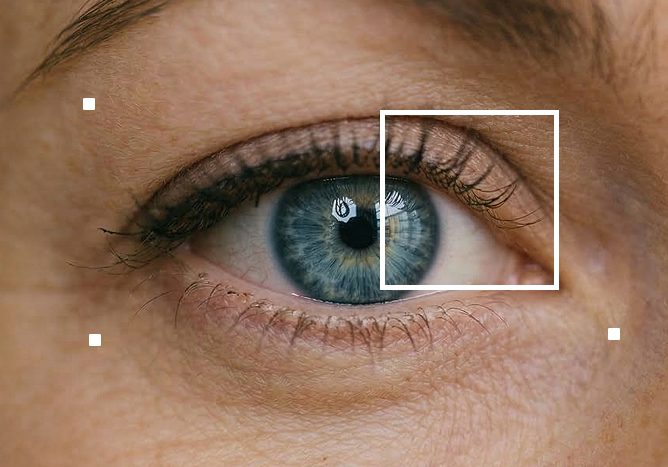
Document and biometric verification
The user takes a photo of their ID, along with a simple selfie. With Veriff, the document is identified automatically, while real-time feedback supports the user every step of the way, speeding the process and minimizing potential typing errors. Veriff’s engine analyzes over 1,000 data points in seconds.

Risk assessment and AML screening
The system cross-references the user against global databases to ensure they are who they claim to be and that there are no red flags. It typically assigns a risk score: Low, Medium, or High. Veriff provides a powerful AML screening capability that offers end-to-end compliance, as well as automating watchlist checks as part of your existing IDV process.

Ongoing monitoring
Ensure your provider offers automated daily or weekly re-checks of the user’s status against sanctions and PEP lists. Remember, a customer’s risk level might change during their relationship with your business; what’s more, the regulatory environment is constantly evolving, providing new demands on a regular basis.

Reporting suspicious activity
If a red flag is raised, the system must flag the profile for a Suspicious Activity Report (SAR). It’s also important to ensure your provider produces a full audit trail for regulators.

Perpetual KYC
It’s an ongoing process, not just a “one and done”. As we’ve seen, regulations change continuously and a customer’s risk profile doesn’t stand still. With perpetual KYC, you can monitor changes as they happen, making compliance far more proactive and dynamic.
Do you know the true cost of fraud on your business?


PART 4
The hidden cost of false positives
It’s vital to catch fraudsters, ensuring criminals don’t slip through the net.
But the opposite problem can be just as expensive: rejecting legitimate customers due to the scourge of false positives.
A false positive sees genuine user sessions being flagged as fraudulent. This can lead to unnecessary investigations or rejection of valid sessions. High false positive rates can cause customer dissatisfaction and lead to an increase in operational costs.
The best IDV technology will minimize this danger. With high-fidelity AI, users can reduce “gray area” results, ensuring good customers gain instant access while high-risk individuals are blocked. Stronger identity assurance can improve screening match quality by effectively utilizing higher-quality customer identity data, such as a verified name, date of birth and nationality.
It’s vital to deploy data-driven fraud prevention built on the right supervised learning models, anomaly detection, and crucially, human expertise, to reduce the risk of false positives.
70%
Reduction in false positives
Delivered by Veriff’s AI-driven solution when compared to legacy technologies.
Reducing false positives has a clear business impact. When implemented effectively, KYC and AML move from a “tick-box” compliance exercise to a driver of value: by reducing false positives, we can slash the costs associated with manual reviews. Just as importantly, this provides a smoother, faster and more convenient onboarding process for customers.
Talk to one of our experts today to supercharge your KYC protocols

PART 5
Scalability and speed: The 6-second benchmark
Businesses today operate in increasingly competitive markets at a global scale.
When it comes to onboarding, speed isn’t a nice-to-have – it’s essential to stay ahead of your competitors.
“Time-to-decision” has a direct impact on your bottom line. Customers understand the need for security to meet KYC demands, but if your competitors can deliver secure onboarding at a faster pace than you, they will have a crucial advantage.
In fact, research has shown that growing numbers of consumers are willing to leave the onboarding process in tasks like financial applications. This can have a clear impact on your bottom line: it suggests that most customers could go elsewhere if the onboarding process is too laborious or time-consuming.
The key metric is the time it takes from the moment a user hits “submit” to the moment they are verified. At Veriff, verification happens extremely quickly, based on market-leading AI and ML technology.
Veriff automation rate
that eliminates the need for extensive manual reviews and long wait times

“It took us two weeks from making the decision to being fully up and running. And to be honest, the two weeks was because of work on our side – Veriff could have done it in a day probably!”
Romeo Ju
Founder and CEO, Bancoli

Bancoli is a global payments platform with a mission to make managing finances as easy as possible. Founded in 2021 and headquartered in Austin, Texas, Bancoli now offers a comprehensive suite of products and services including smart invoicing, multi-currency global business bank accounts, funds security, and cashflow management features.
Bancoli is a fintech company with a culture of excellence and moving at speed. That meant when their previous provider of know your customer (KYC) verification was acquired by another company and stopped providing the services Bancoli needed, they needed a replacement fast.
An ability to deliver KYC verification quickly and accurately was, of course, a prerequisite, but the most valuable point to the team at Bancoli was a cultural alignment with a partner who understood their needs, was able to work quickly, and was as forward-thinking and ambitious as they are.
“Speed was so critical to us, as without a KYC process we cannot do any business,” explained Romeo Ju, founder and CEO. “But the whole process was easy. I remember that we talked about how little we have to change. It’s an API and we were able to get our branding into it and just get the whole Veriff flow to feel part of our existing flow. It was very easy as well."
CASE STUDY
Veriff & Bancoli
Accelerating KYC at a global payments specialist


The most valuable point to the team at Bancoli was a cultural alignment with a partner who understood their needs.
Talk to one of our KYC experts, or scroll on to get more great KYC insight

PART 6
Data privacy and security
Data is a crucial resource today – and a key target for cybercriminals. This is particularly true for identity data, which is the most sensitive information a company can hold.
All of this makes data privacy and security a crucial consideration for any KYC buyer. How will your KYC provider care for your customers’ data?
Let’s look at some of the key areas to keep in mind:

Data sovereignty
Where is the data stored? How long is it retained – and is it safe? At Veriff, we adhere to strict data retention procedures. This ensures that personal data that is no longer needed is assigned for deletion, while processed personal data is securely held in Amazon Web Services servers, with clients only able to access their own data.

Certifications
There are a range of key security certifications that demonstrate a provider’s ability to safely oversee your data. Ask whether your provider holds such certifications as SOC2 – Type II or ISO 27001.

Compliance with data protection regulations
Failure to comply with regulations like the EU’s General Data Protection Regulation (GDPR) or the California Consumer Privacy Act (CCPA) can lead to significant financial penalties. It could also lead to reputational damage – and hurt your business in the long-term.
At Veriff, we deliver privacy-by-design, ensuring we meet all regulatory demands and provide the security your customers’ data needs.
CONCLUSION
Why Veriff?
Choosing a KYC partner means balancing security with growth. The right solution will offer the highest levels of protection for your customers, while also delivering a simple and convenient process.

Veriff provides the most automated identity verification platform in the world, helping businesses build trust without sacrificing user experience. Our system is optimized to work across all stages of KYC, including Customer Identification Program, Customer Due Diligence, and ongoing monitoring.
12,500+
Government-issued IDs
98%
Veriff automation rate, eliminating the need for extensive manual reviews and long wait times.
6s
Average time to verify customers through Veriff.
70%
Reduction in false positives delivered by Veriff’s AI-driven solution when compared to legacy technologies.
About Veriff
At Veriff, our onboarding solution empowers you to meet compliance demands and onboard more genuine customers, while cutting acquisition costs. Veriff’s solution is designed to protect your users and your business, while ensuring customer convenience – the foundations for long-term growth.
By combining global reach with industry-leading AI, Veriff ensures that your compliance process is a competitive advantage – not a bottleneck.

Trusted by 3,000+ companies





Speak to one of our KYC experts today to discover how we can create customizable KYC systems that work for your business.