
Everything you need to know about the state of online fraud - and what you can do to prevent it.
VERIFF identity fraud report 2026







The Veriff Identity Fraud Report 2026 is compiled after extensive analysis of our global customer data throughout 2025.
Let's dive in.
Contents
The Veriff Identity Fraud Report 2026 is compiled after extensive analysis of our global customer data throughout 2025.
Let's dive in.
Contents
Introduction
by Ira Bondar-Mucci, Fraud Platform Lead, Veriff
1
Key takeaways
Short on time? Jump to this section to get our digested report and the key data points you’ll need to understand the state of the fraud landscape.
2
The fraud data deep dive
The types of identity fraud Veriff has seen - and stopped - this year, plus key definitions to ensure you’re prepared to fight fraud on all fronts.
3
Industry focus - financial services
How has the financial services sector - from payments, to crypto, and everything in between - been impacted by fraud this year?
4
Industry focus - marketplaces
Ecommerce and marketplace platforms have been a particular target for fraudsters in recent years. Did this trend continue in 2025?
5
Industry focus - online communities, hiring, healthcare, and more
No sector is safe from the threat of online fraud. This section explores how those sectors away from financial services and online marketplaces are impacted.
6
Regional breakdown
Our data is global, but the fraud picture varies from region to region. Explore what this means for your key geographic regions.
7
What the future holds
Our predictions for what 2026 will bring in the worlds of identity, tech innovation, and online fraud - and how you can stay ahead of the game.
Introduction by Ira Bondar-Mucci, Fraud Platform Lead, Veriff
Welcome to Veriff’s 2026 Identity Fraud Report, our annual investigation into the state of online fraud. Drawn from deep analysis of our customer data and our field research over the last 12 months, this report is our most comprehensive yet and covers more industries, regions, fraud types, and use cases than ever before.
With so much data at our disposal - our AI-powered engines and fraud teams mitigate many thousands of attempts to infiltrate our customers’ systems daily - there are numerous narratives to discuss here. But, no matter whether we break things down by geographic region, industry, or fraud type, the main story is one that is predictably and sadly familiar: online fraud is still a consistent threat for digital businesses and AI is only increasing that threat.
In fact, our main takeaway is that online fraud remained at a consistent level of more than 4% for the third consecutive year, showing that fraud is a consistent and persistent threat. One in every 25 verification attempts we encountered in 2025 involved someone pretending to be someone else. Imagine the financial loss corporations would have incurred had we not been there to catch these.
And that comes on the back of two consecutive years showing 20% year-on-year increases, demonstrating the rapid proliferation in the online fraud threat.
But the threat is changing and the AI-powered fraud threat is getting worse: digitally presented media was 300% more likely to be either entirely AI-generated or otherwise altered in 2025 compared to 2024. The proliferation of easy-to-access AI tools, and the fact that it is relatively cheap to develop them, has removed the barrier to entry for online fraudsters and has led to fraud-as-a-service becoming one of the major growth industries of the last 12 months.

Ira Bondar-Mucci
Fraud Platform Lead, Veriff
verification attempts we encountered in 2025 involved someone pretending to be someone else. Imagine the financial loss corporations would have incurred had we not been there to catch these.
1 in every 25



All of this research combines to give us a very clear picture on how organizations should approach the challenges of the coming years. And these challenges largely boil down to answering three questions about both their customers and employees:

Is your customer/employee real?
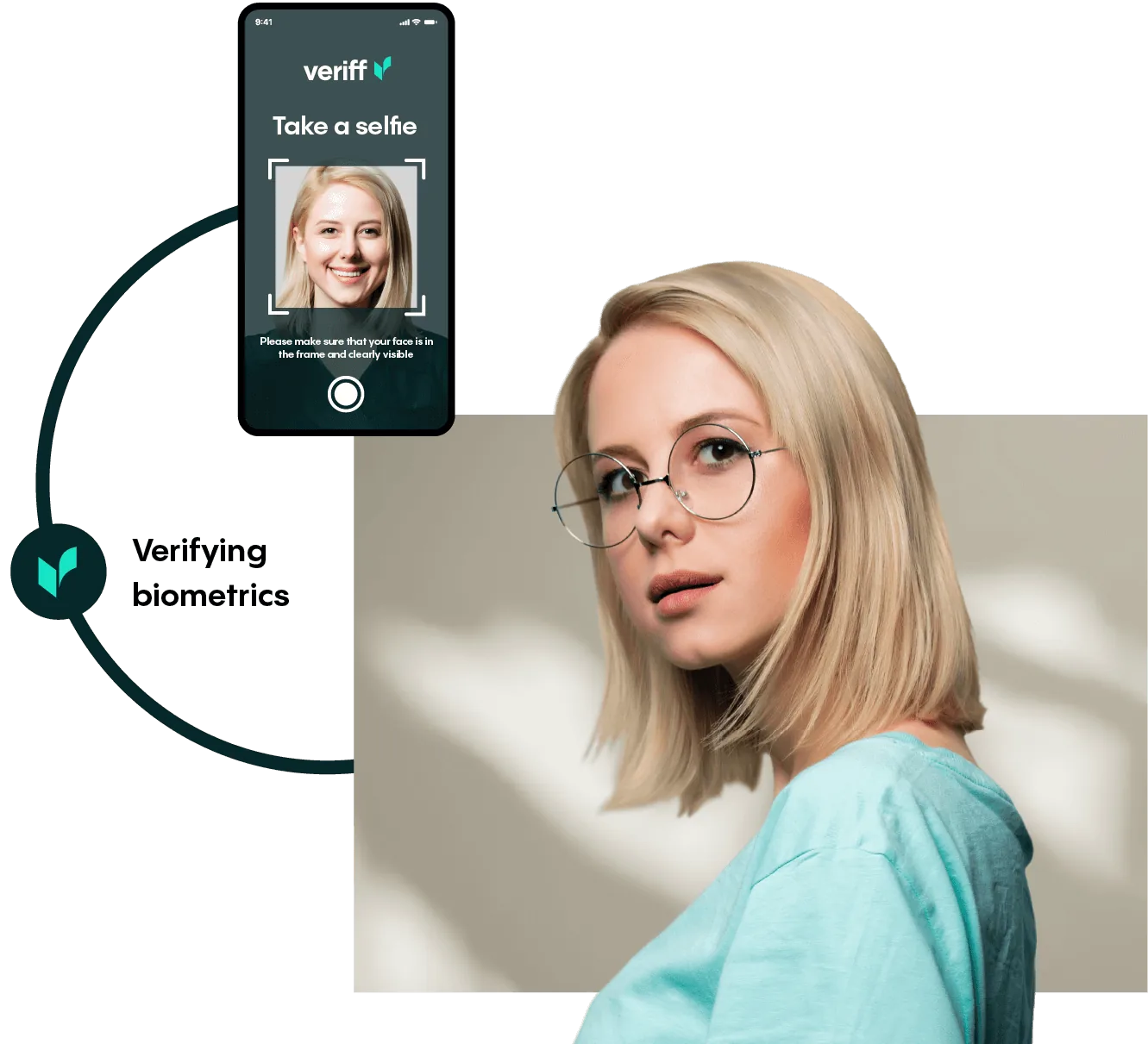
Through a photo of their government-issue ID and a simple selfie, Veriff can tell immediately if something is wrong with an image or video. We can detect liveness and realness without asking users to move unnaturally or follow complex instructions – in other words, we can ensure they physically exist and that they are who they claim to be.

Is this customer/employee of value to you or a potential cost?
We can determine at the onboarding stage if the person is a potential customer or employee of value – or if they simply cannot be trusted. With our cross-linking capabilities, we take huge amounts of data and search for patterns, helping us identify potential fraudsters who target certain industries. Of course, if they’re a legitimate customer or employee, the process is smooth and safe, building security – and your company’s reputation.

Is the answer to those questions still the same on an ongoing basis?
Can you ensure that users of your platform are who they say they are every time they engage with your platform? Reauthentication of customers and employees and perpetual KYC is absolutely critical. With biometric authentication, users are promptly and securely authenticated across all stages of their user journey. We know they are who they say they are because we can quickly check the information already on file.
"What’s clear to me is that fighting fraud on so many fronts requires all the tools in the box. One tool in isolation will simply never be enough to counter the multitudinous fraud threat that exists in the modern digital world. And that’s where Veriff comes in. Our solutions provide a fraud-prevention ecosystem and the network effect of our diverse customer base enables us to be constantly alert to emerging fraud threats and on the front foot when it comes to thwarting them."
Ira BondAr-Mucci, Fraud Platform Lead, Veriff

part 1
Key Takeaways
The overall fraud challenge remains constant
Unfortunately, what we call the net fraud rate - that is, the sum of all types of fraud combined - remains high. According to our data, 4.18% of all verification attempts were fraudulent in 2025 - meaning one in every 25 verification attempts we encountered in the last 12 months was someone pretending to be someone else.
AI is increasing the danger
Compared to last year, digitally presented media was 300% more likely to be either entirely AI-generated or otherwise altered. This is a huge increase and confirms any suspicions about the growth of AI and deepfake-powered fraud. In terms of the bigger picture, AI-powered fraud still represents a tiny fraction of all fraud committed, but it is growing at an alarming rate.
Impersonation fraud attacks still dominate
Impersonation fraud - a type of identity fraud that involves, simply, someone pretending to be someone else in order to fraudulently access or apply for a digital account or service - amounted to more than 85% of all the fraudulent attempts we saw this year. This is by far the most common type of fraud and it has also increased considerably in both volume and sophistication since last year.
Winning the fight against document fraud
Document fraud is defined as when a document’s data has been physically altered or a counterfeit document has been fabricated from scratch - and this type of fraud saw a massive 13% year on year drop from 2024 to 2025. This points to the fact that Veriff’s systems are very unlikely to be defeated by fabricated documents - whether these are created using AI tools or by more traditional methods - and so fraudsters are looking at other ways to try to beat the system.
Ecommerce platforms the worst hit in 2025
The fraud picture was bleakest when we analysed the data for the online marketplace vertical. This is a broad vertical that includes a diverse set of sub-verticals that are related by the fact they are digital platforms selling services or goods online. Ecommerce sites, for example, saw a net fraud rate in 2025 of 19.2%. That is nearly five times the global average. This sub-vertical also saw more than 10 times the global average of authorized fraud. Gig economy platforms, mobility platforms and ride hailing apps also saw huge attempted fraud rates.
Financial services in the firing line
Financial services, where there are the richest of pickings for fraudsters, remain one of the industries most likely to be targeted by fraudulent attacks. Net fraud - all forms of fraud taken together - was at more than 5.5% for financial services as a whole in 2025. This represents a big increase on 2024’s figures and is 30% higher than the global average.
The main findings from our 2026 Identity Fraud Report are:
The main findings from our 2026 Identity Fraud Report are:
Want to discover how Veriff can help you combat online fraud?
Veriff & Webull: helping a leading trading platform fight fraud and streamline user onboarding
Webull Financial is a leading online brokerage platform committed to empowering self-directed investors with innovative tools and cutting-edge technology, revolutionizing the way individuals approach investing.
As Webull continued to expand and grow its user numbers, combating fraud became more of a challenge due to the high volume of platform traffic. Crucially, fraudulent activity was causing deposit reversal, which resulted in revenue loss.
From a compliance point of view, it was becoming increasingly difficult to accurately identify and know the individuals opening accounts on Webull’s platform.
Webull was looking for a partner to provide a seamless user experience, with minimal friction, to onboard genuine customers faster - all while combating fraud. And that's why they turned to Veriff.

Providing our users with a safe and secure platform has always been a top priority at Webull, and Veriff has helped us to do so. Compared to previous partners, Veriff has been able to support us in identifying fraudulent activity accurately and effectively – even as platform user numbers climbed.

Brendan Fuller, Chief Risk Officer, Webull
part 2
The fraud data deep dive
Impersonation fraud
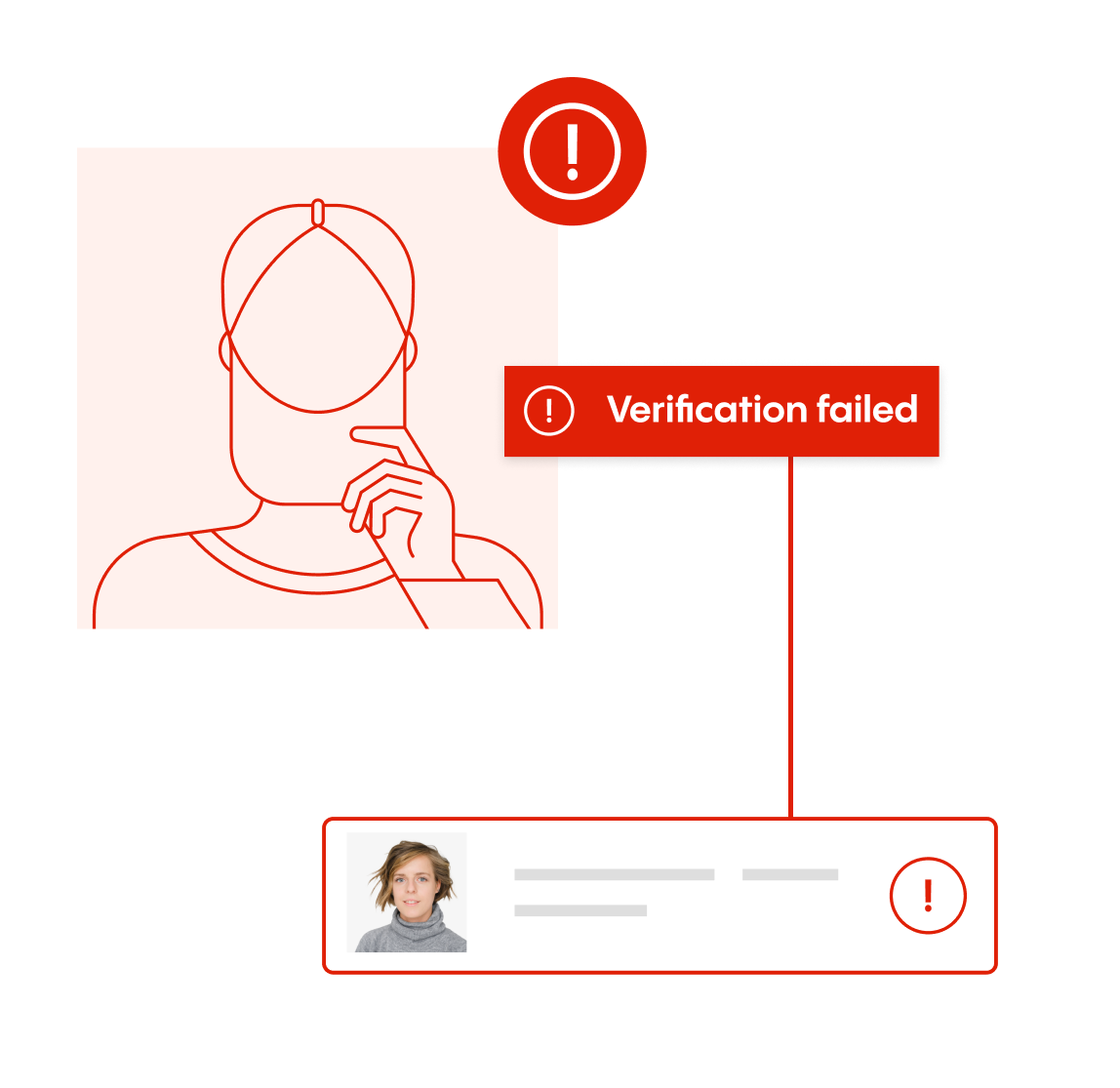
Impersonation fraud is a type of identity fraud that involves, simply, someone pretending to be someone else in order to fraudulently access or apply for a digital account or service.
This may take many forms. For example, the verification process may have been initiated using someone else's physical document, or the document or image of the individual is provided from a phone or other device to fake the physical presence of either the individual or their document in the session.
Similarly, the images or video submitted to the verification session may have been streamed or otherwise injected into the session.
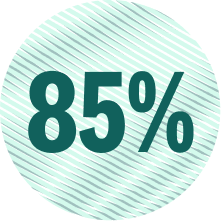
Impersonation fraud amounted to more than 85% of all fraud attacks we encountered this year, making it by far the most common type of online fraud. This represented an increase on last year’s figure and, when taken with decreases seen in other fraud types, points to fraudsters becoming a lot more sophisticated in their attempts to infiltrate our systems.
of all fraud attacks we encountered this year were impersonation fraud.
Document fraud
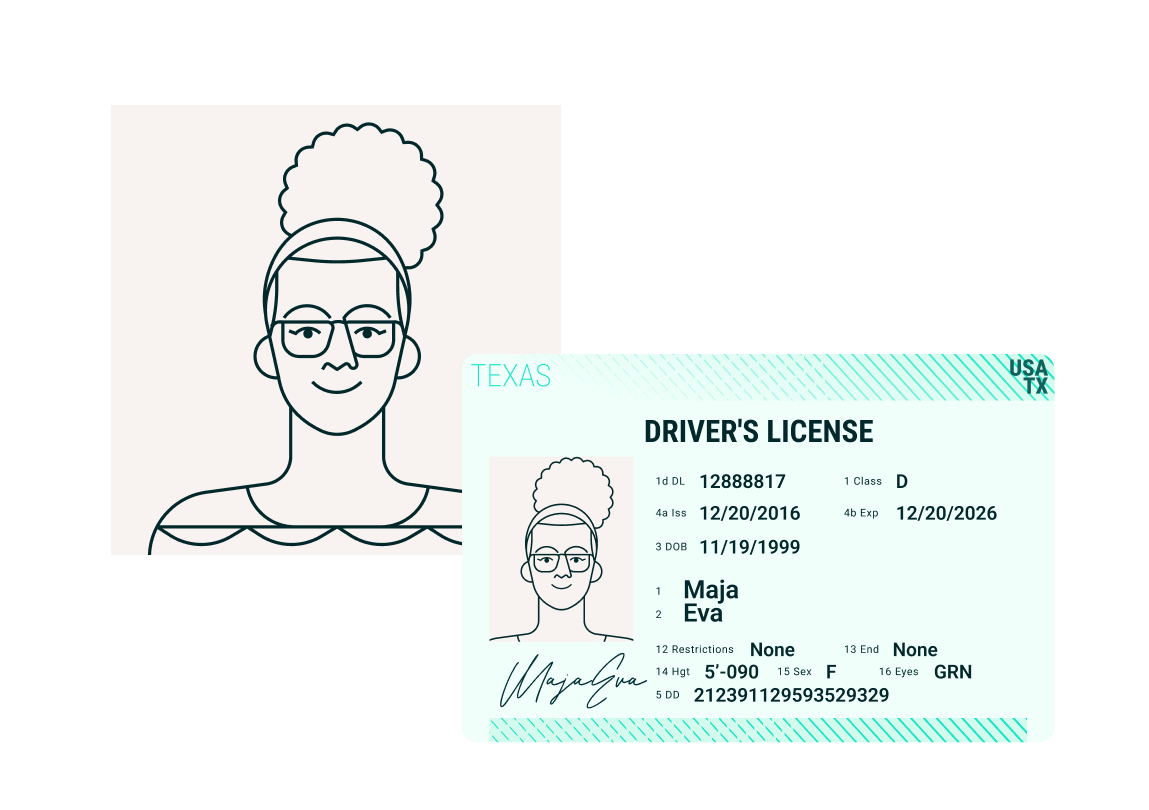
Document fraud is defined as when a document’s data has been physically altered or a counterfeit document has been fabricated from scratch. It can be used to commit impersonation fraud or to gain access to goods or services that the user would not otherwise be able to, such as age-restricted items.
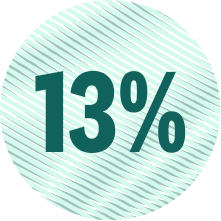
A total of 13% of all fraud cases in 2025 involved people presenting altered, counterfeit, or fabricated documents - this represents a big 13% drop when compared to 2024’s figures and points to the fact that fraudsters are moving away from this type of fraud as Veriff’s systems are very unlikely to be defeated by fabricated documents - whether these are created using AI tools or by more traditional methods.
Of all fraud attacks we encountered this year involved document fraud
It’s my view that impersonation fraud attempts are increasingly likely to be unsuccessful because fraud defenses such as those employed by Veriff are simply too good at catching this type of fraud now.
Ira BondAr-Mucci, Fraud Platform Lead, Veriff
Customer evidence
Multiple customers have validated that requiring identity verification creates a psychological barrier or deterrent effect that causes fraudsters to abandon attempts rather than risk exposure.
Some quotes sourced from our customer calls include the following:
The act of going through with identity verification is a very useful deterrent for fraudsters. The guys doing the cam takeover don't want their face on camera and so they just drop out of the session as soon as they see they are going to be scrutinized.
Payments platform customer
If a bad actor sees that you have to go through identity verification, people will just drop off instantly. If they're a fraudster and they're about to commit fraud, they know that they can't get through the system we have with Veriff.
Neobank customer
Authorized fraud
Authorized fraud is a scam where a user is tricked into performing an identity verification session. For example, when a fraudster pretends to be someone from a bank to convince the victim to perform an identity verification.
This type of fraud also has two distinct types: physical adversary-in-the-middle attacks and digital adversary-in-the-middle attacks. Unlike attempted impersonation fraud and document tampering cases, physical and digital adversary-in-the-middle attacks have always been less common, given how much more intricate they tend to be - and that is shown in this year’s numbers.
Physical adversary-in-the-middle attacks
Digital adversary-in-the-middle attacks
This type of fraud is particularly alarming because it often relies on some form of physical coercion or forced participation. We often see this type of fraud in relation to identity farms, where individuals or groups of people are pressed into opening and accessing accounts and then those accounts are taken over for malicious purposes.
This fraud type is one that has been growing hand-in-hand with the increasing sophistication of AI-powered tools. Essentially, this type of fraud is defined by a fraudster positioning themselves digitally between the account holder and a business in order to intercept the data required to access this account.
This way, fraudsters gain unauthorized access to end-users’ legitimate data and accounts. Examples of this include phishing, whereby an attacker sends a phishing email, text, or AI-generated voice message to the target asking them for log-in and password information that could help them gain access to an account.
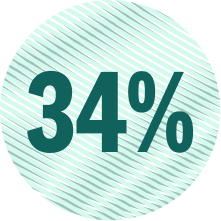
Both physical and digital adversary-in-the-middle attacks saw a decrease in 2025 when compared to 2024. Physical adversary-in-the-middle attacks dropped more than 34% year-on-year to come in at 1.28% of all fraud attempts and digital adversary-in-the-middle attacks dropped 66% year on year to come in at just 0.02% of all fraudulent verification attempts.

Year-on-year drop in physical adversary-in-the-middle attacks
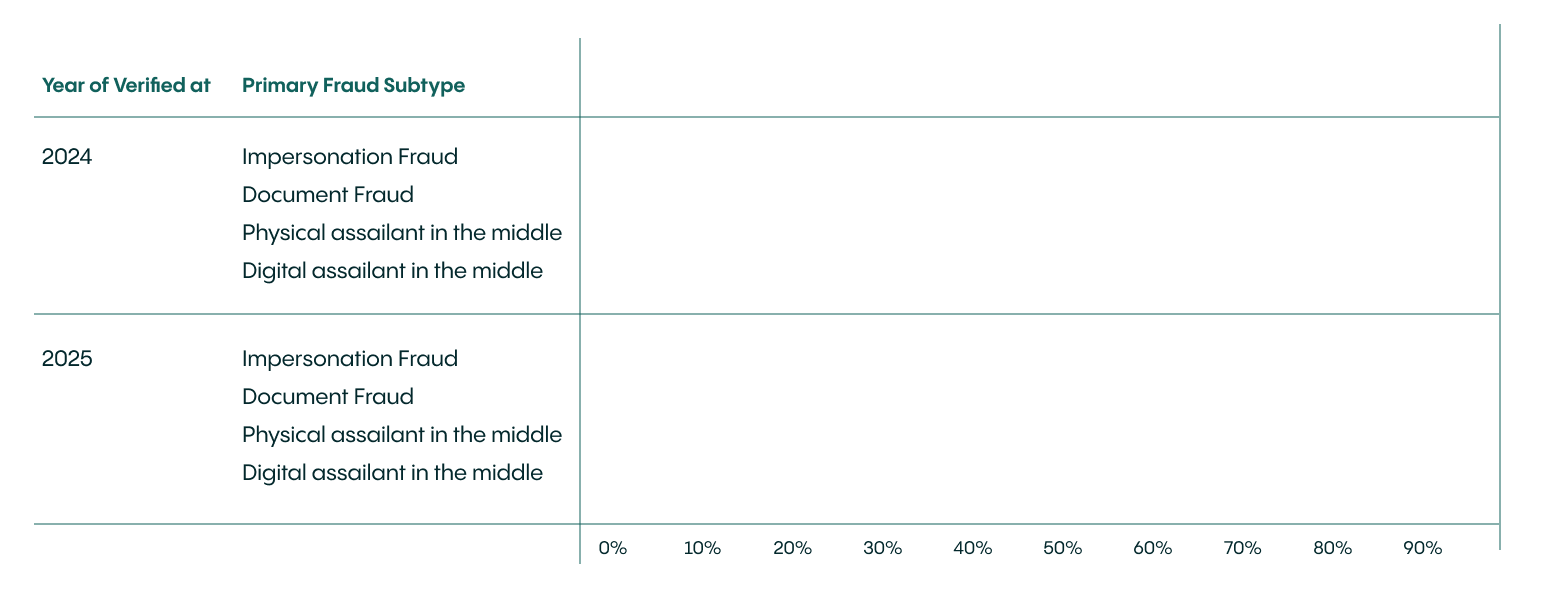
Each Fraud Subtype as a Proportion of All Fraud
1.96%
0.06%
82.9%
15.08%
% of Total Session Count
View this report on a desktop or tablet to see the complete graph.
1.28%
0.02%
85.57%
13.14%
There are a number of theories as to what is causing this drop. One is that end users are becoming more savvy to these types of attacks - and this is supported by data from our Fraud Index 2025, which saw 95% of respondents reporting that they saw some sort of fraudulent activity over the past year. However, the answer is more likely to be based in the proliferation and growing sophistication of AI tools. With more and better tools at their disposal, there is simply less need for fraudsters to engage in adversary-in-the-middle attacks.
Ira BondAr-Mucci, Fraud Platform Lead, Veriff
How fraudsters try to beat our systems
At Veriff, we are alert to the evolving nature of online fraud and two particular fraud types we have seen increasing this year are emulator and injection attacks.
What are emulator attacks and why do they present a significant challenge to traditional fraud-prevention measures?
How emulator attacks work
At its core, emulators simulate the behavior of legitimate devices, such as smartphones or computers, to commit fraud. Emulators are powerful tools commonly used in software development to test applications across different devices and operating systems without needing physical hardware. However, fraudsters have weaponized this technology to launch deceptive activities at scale.
Fraudsters use emulators to mimic the behavior of real users, allowing them to manipulate apps, websites, or payment systems in ways that are difficult to detect. And, because they can be automated, the scale at which fraud can be committed is potentially huge. By simulating different devices, fraudsters can make a device look like multiple devices (device farms) or emulate a specific device to appear to be a genuine device to commit fraudulent activities. For example:
Emulator attacks: simulating devices to deceive systems
Account takeover (ATO): Using emulators it is possible to mimic genuine user sessions and bypass security measures to gain access to accounts.
Payment fraud: Once an account has been accessed it is possible to conduct unauthorized transactions through emulated devices, often avoiding detection due to the sophistication of the emulated environment.
Bot attacks: Once a weakness has been identified it is possible to execute large-scale, automated fraud campaigns that mimic human behavior across various devices.
Multi-accounting and bonus abuse: Being able to fraudulently access systems at scale by using emulators to mimic multiple devices allows fraudsters to create multiple accounts to take advantage of sign-up bonuses or free bets in gaming, crypto, or currency exchange platforms.
What makes emulator fraud particularly dangerous is its ability to bypass traditional detection systems that rely on device fingerprinting or behavioral biometrics alone, and the fact it can be done at scale. Since emulators can spoof a range of legitimate device characteristics (such as operating system versions, IP addresses, and user-agent strings), many security tools that focus on recognizing unique device traits are rendered ineffective.
Talk to one of our fraud experts, or scroll on to get more global fraud data.
How do injection attacks work and why is a multi-layered fraud prevention system the only means of stopping them?
How do injection attacks work?
While emulator attacks focus on simulating devices, injection attacks are a type of fraud where a malicious actor injects false or synthetic data into the identity verification flow to bypass the system and gain unauthorized access to the service.
Injection attacks can occur when fraudsters use techniques like emulators, virtual cameras, or other methods to inject false biometric data, such as fake facial images, or false document data, such as fake documents generated with self-serve fraud tools, into the verification process.
The goal of these injection attacks is to convince fraud-prevention systems that the injected data is legitimate, allowing the fraudster to bypass security measures and gain access to services. For example, a fraudster may use a deepfake video or synthetic identity to inject false facial images into an onboarding verification flow, tricking the system into thinking it's a legitimate user.
Injection attacks: manipulating sessions to gain access to systems
Defending against emulator and injection attacks
While emulator and injection attacks present serious challenges, enterprise fraud professionals can mitigate the risks with a multi-layered security approach:

Facial biometric verification
This involves biometric video analysis of the user’s face and facial movements to ensure true presence during the account creation or verification process. This, together with the velocity abuse and multi-accounting prevention, can help reduce the risk of users creating multiple accounts using fake or stolen identities. Video liveness features also have more data to work with than static images, including facial context data such as brightness, eye movements, and face visibility.
Behavioral analytics
Instead of relying solely on device-based detection methods, businesses can use behavioral analytics to detect suspicious activity patterns, such as unusual transaction volumes or irregular login times.

Code auditing and vulnerability testing
Regularly auditing application code and conducting penetration tests can help identify and patch vulnerabilities before they can be exploited.

Machine learning algorithms
Machine learning-based fraud detection systems can help identify anomalous behavior across both emulated devices and manipulated code, even as these techniques evolve.

Web application firewalls (WAFs)
Deploying WAFs with advanced threat detection capabilities can help defend against injection fraud by blocking suspicious inputs or known attack vectors in real-time.
IP and device fingerprinting
This involves analyzing various attributes of the device and the network used to access the online service, such as the browser type, operating system, screen resolution, location, etc. These attributes can generate a unique identifier linking multiple accounts to the same device or IP address.

Email analysis
This involves checking the validity and uniqueness of the email address used to register or log in to the online service. Some indicators of suspicious email addresses are disposable or temporary emails, emails from unknown domains, emails with random or similar usernames, etc.

AI-driven algorithms
This involves using machine learning and artificial intelligence to monitor and analyze the behavior and patterns of the users on the online service. This can help detect anomalies, such as multiple accounts placing similar bets on the same events, multiple accounts writing fake reviews or feedback, multiple accounts abusing promo codes, or coupons, etc.
The power of AI and collaboration in the fight against fraud
Veriff and Kueski: helping Latin America’s leading BNPL later platform fight fraud
Kueski is the leading buy now, pay later (BNPL) and online consumer credit platform in Latin America, and it is known for its innovative financial services.
Kueski’s credit approval process is completely digital and fully automated, so it is of the utmost importance to balance the best user experience - based on a simple, fast, clear, and streamlined process - with secure operation.
The main challenge is to verify the identity of our users seamlessly and prevent fraud cases - something that Veriff was on hand to help solve.

We have been partnering with Veriff since 2020 to address identity verification and to acquire valuable additional information to integrate into our fraud controls. Fraud challenges are very dynamic, new patterns arise frequently, and the existing ones change very fast, so close communication, high collaboration, and effective responsiveness between Veriff and Kueski have been critical to helping us evolve.
SVP of Credit Risk, Kueski
part 3
Industry focus - financial services
Working across all industry types allows our fraud teams at Veriff to have a truly global and comprehensive perspective on fraud, being the first to see when particular fraud trends emerge in real-time. But digging deeper into each industry allows us to also understand why certain types of fraud are more prevalent in some industries than others.
Financial services
Financial services represent the big pay day for fraudsters. It’s where the money is and, as a result, we fight off far more fraudulent attempts for our financial services customers than we do for almost every other industry vertical.
Net fraud - all forms of fraud taken together - was at more than 5.5% for financial services as a whole in 2025. This represents a big increase on 2024’s figures and is 30% higher than the global average.
The picture gets worse when we drill down into some of the sub-verticals that make up financial services, with traditional banks, crypto platforms, and trading and investment platforms seeing the highest net fraud rates - with all three being around or slightly over double the global average.
Crypto and lending platforms led the way with the most identity fraud, trading and investment platforms saw the most authorized fraud, and traditional banks scored high across both fraud types. On average, the total attempted fraud rate has increased by over 38% in the crypto sector year-on-year and by 9.6% in the payments sector, while the total attempted document fraud rate has increased by over 21% in the Crypto sector.
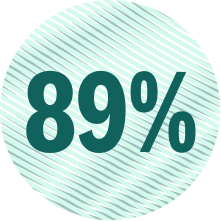
In the US, payments saw an astounding 89% jump in the attempted fraud rate shifting the vertical from a moderate to a high-risk sector. The primary driver for this huge rise, by an overwhelming margin, was users attempting to submit digital media - AI generated, digitally manipulated, or otherwise altered. Sophisticated fraud attempts, which would normally entail fraud experts conducting behavioural analysis for enhanced prevention, increased 3.6 times in under a year.
Elsewhere, UK fintech platforms saw a considerable 35% spike in the frequency of fraudulent attempts compared to last year and in Latin America the payments sector saw a rather significant 48% increase in the frequency of fraudulent attempts compared to last year, while fintechs in this region saw a more modest yet still notable 23.4%.

US payments saw an astounding 89% jump in the attempted fraud rate.
Here are the main findings by industry:
Hover over the graphs to see the % of each fraud type
Please use desktop of tablet version to view these graphs
Helping a neobank go from conception to launch in under a year
Veriff for Financial Services
Low risk tolerance? Veriff for Financial Services is your source of truth for online identities. Built on Fortune 500-proven expertise, we provide more than identity verification - we deliver configurable-from-the-core fraud prevention, simplified compliance, and fortified customer trust, ensuring your peace of mind in a high-stakes industry.
Beyond basic checks, our AI-powered, video-first, continuously learning platform offers a holistic approach to fraud prevention. Veriff is the only IDV stack with data depth analyzing 1k+ signals per session.
We combine this cutting-edge technology with the unwavering support of our verification specialists and customer-centric services to create a multi-layered defence, ensuring the highest accuracy and the safest environment for your institution and your customers. Set to detect the fraud of tomorrow delivering native trust for anyone, anywhere in seconds. Without Veriff, you’re only scratching the surface of identity security.
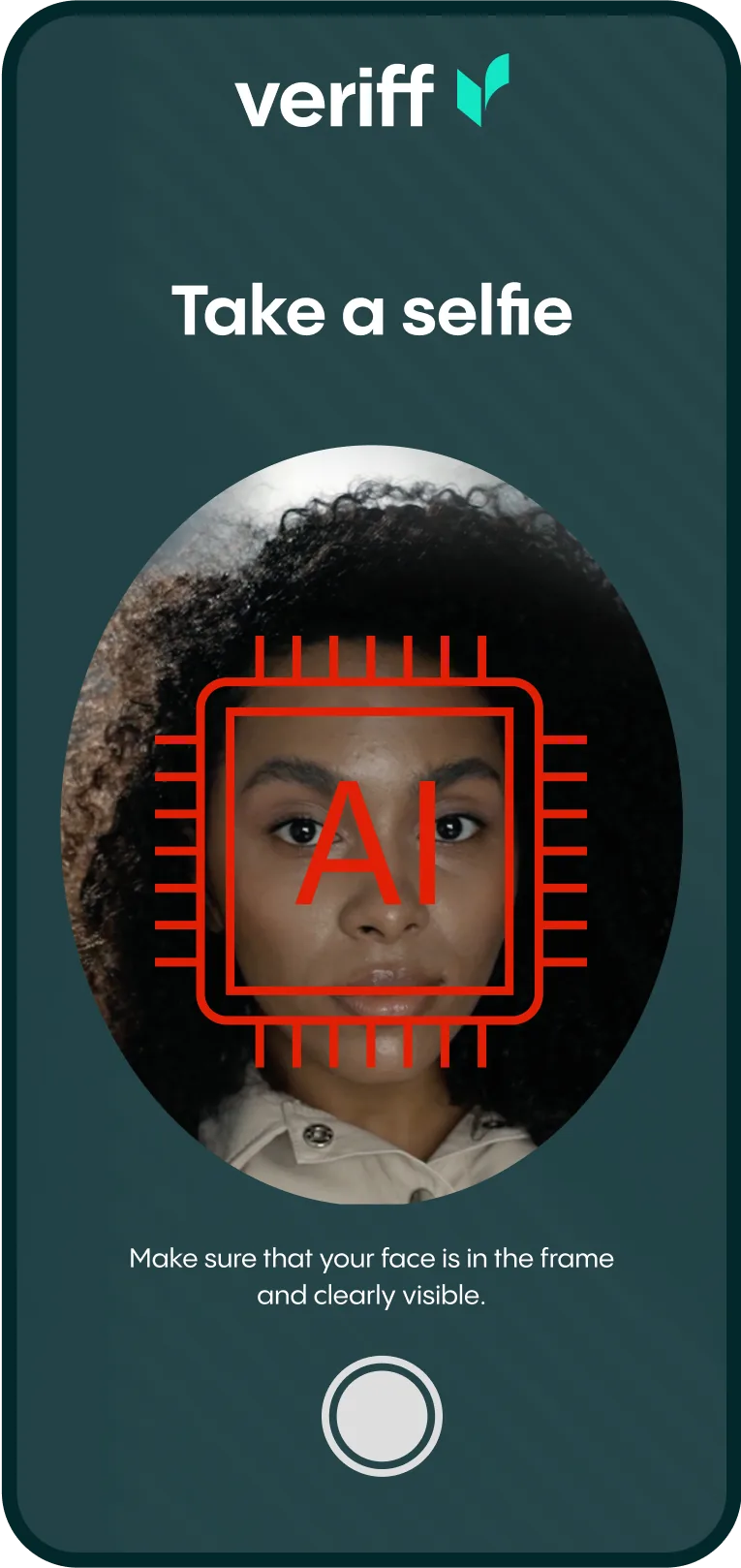

AI-powered technology
Highest accuracy increases conversion rates, improves user experiences, and reduces operational costs.
Fraud prevention expertise
Continuous protection and adaptation to evolving threats enhances risk mitigation and provides unsurpassed assurance 24/7.

Global trust infrastructure powering rapid expansion without global overhead
Veriff handles borders compliance and manual operations with scalable pricing, so companies can expand globally fast and grow profitability without limits.
The benefits
A digital solution with the human touch
Crown Agents Bank is a UK-regulated bank that has existed for around 190 years. Its aim is to transform the way payments and FX move through emerging markets, reducing friction so that more money gets to those who need it.
The solutions that Crown Agents Bank provides to their pension clients is pension payroll services – and in particular international pension payroll. Historically, this has entailed pension funds sending out manual forms.
Pensioners would then be asked to complete the forms, sign them, gain third-party attestation from a notary of sorts, and then post the forms back to either Crown Agents Bank or the fund directly.
This worked as a solution for many years, but Crown Agents Bank recognized that today there’s technology in place that can better serve those pension funds and give them a higher level of assurance - and that’s why they turned to Veriff’s biometric solutions.
Today, as a result of the partnership, we experience an almost zero abandonment rate, and the customer service that we’ve received from Veriff has been exceptional, too.
Bonnie Juett, VP Head of Operations Projects, Crown Agents Bank.
Talk to one of our fraud experts, or scroll on to get more global fraud data.
part 4
Industry focus - online marketplaces
Industry focus - Online marketplaces
The fraud picture was even more bleak when we looked at the online marketplace vertical. This is a broad vertical that includes a diverse set of sub-verticals that are related by the fact they are digital platforms selling services or goods online.
Because a lot of money is changing hands and these sub-verticals are less heavily regulated than financial services, they are a clear and obvious target for fraudsters.
Ecommerce sites, for example, saw a net fraud rate in 2025 of 19.2%. That is nearly five times the global average and dwarfs that seen even in financial services.
This sub-vertical also saw more than 10 times the global average of authorized fraud.

Hover over the graphs to see the % of each fraud type
Please use desktop of tablet version to view these graphs
For sure, Ecommerce marketplaces are the real outlier of our data again. We did notice things trending this way in 2023 and 2024, but 2025 has seen the number of fraud attacks on Ecommerce sites go through the roof. Being largely unregulated and with global transaction volumes in the trillions of dollars, these sites present a tempting target for fraudsters and these figures should serve as a wake-up call for platforms to differentiate themselves by adding in the type of fraud prevention Veriif can offer.
Ira BondAr-Mucci, Fraud Platform Lead, Veriff
Banishing fraud at a leading global marketplace
Veriff for Marketplaces
Veriff for Marketplaces creates the infrastructure for trust that helps marketplaces prevent fraud, mitigate risk, and support compliance throughout the customer lifecycle.
Our unified solution addresses critical challenges like onboarding friction, changing regulations and new or evolving fraud such as deepfakes - with a user-friendly, seamless experience, powered by advanced AI-based identity checks. This boosts conversion rates, enhances operational efficiency, and enables confident growth and profitability.
Our unified solution is specifically designed to solve critical challenges, from initial sign-up to ongoing user authentication. We combat high-friction onboarding that delays supply, and address ongoing fraud such as account pooling, account selling, and impersonation. With a comprehensive suite of tools for identity, biometrics, and compliance screening, Veriff provides a single, integrated solution to reduce operational complexity and increase efficiency, and drive cost-effectiveness.
Our cutting-edge technology establishes confidence and adds an extra layer of prevention - combining passive liveness detection and integrated fraud signals to detect and block even the most sophisticated threats. This includes streamed or pre-recorded videos, synthetic or manipulated images, and AI-generated deepfakes. These checks run silently in the background, preserving a smooth user experience while ensuring only real, verified users enter the platform.
We are a global expert with regional experience, built to handle local market nuances and a complex web of international and regional regulations, ensuring our platform delivers a seamless user experience that boosts conversion rates and enables confident, secure growth.
Veriff is more than just an onboarding solution - we are your long-term partner in managing risk and helping you scale your business.


Accelerate growth and boost conversion
Seamless, accurate onboarding drives user and seller acquisition, adds new revenue streams and enables global expansion.

Enhance trust and strengthen fraud protection
Ensure genuine users and sellers, enable responsible age-restricted access, and protect platform integrity and reputation from sophisticated fraud.
Improve operational efficiency and scalability
Automate verification processes to unlock significant efficiency gains and support effortless scaling.
The benefits
Veriff and JTI Philippines: preventing youth access to products and improving customer conversion by more than 200%
All companies that operate within highly regulated industries face challenges, and Japan Tobacco International (JTI) takes ensuring that products are only sold to adult smokers aged 18 and above very seriously.
This means exercising extreme caution about who is allowed into their digital ecosystem. However, JTI’s former verification partner was undertaking laborious manual reviews of consumer IDs. And, as JTI Philippines was growing and strengthening its presence online via brand websites, these processes were proving to be less and less efficient.

Veriff has been a valuable partner for us in strengthening our digital capabilities and optimizing our processes. With their help, we've been able to grow our reach and elevate the efficiency of our engagement with our customers and consumers online Veriff also helped to identify fraud attempts, flag suspicious behavior, improve conversions by 223%, and improve both quality of sessions and medium response time.
Erika Viveiros, Marketing Director, JTI Philippines
Talk to one of our fraud experts, or scroll on to get more global fraud data.
part 5
Industry focus: online communities, hiring, healthcare and more
Industry focus: online communities, hiring, healthcare and more
The fraud picture across the other verticals that Veriff services is more varied, but still paints a picture that displays the opportunism of fraudsters and the fact that no business can afford to be complacent.
Even if the financial incentive for fraudsters isn’t immediately obvious - as it is in financial services or Ecommerce, for example - there is still value for fraudsters in targeting, say, online communities and social media platforms.
One of the things we have seen develop over the last couple of years is fraudsters targeting end users across multiple digital touchpoints. For example, the first outreach from a fraudster to target an end user may be through a video gaming site, online community or dating platform.
The intention will be to harvest information and personal data or to build an online rapport. Later in the process, this data and/or rapport will be used to access that target’s financial accounts or coerce them into performing a transaction. Romance scams are a great example of this tactic, but there are others.
Our data from 2025 showed that video gaming sites and social media platforms both have net fraud rates that were more than double the global average.

Love bombed: the devastating impact of romance fraud
Another example of the use of multiple digital touchpoints to commit fraud occurs in the HR and recruiting space. With a net fraud rate of 7.21%, the HR and recruiting sub verticals were some 72% higher than the global average. Document fraud has also nearly tripled in the HR vertical since the end of 2024.
The financial incentive for fraudsters in this sub-vertical is much more of a long game, but successful fraudulent attacks here allow fraudsters to pass job interviews and become employed at companies in order to access company IP, plant malicious code onto internal company systems, be paid for jobs they are not qualified for, and a host of other activities.

Hover over the graphs to see the % of each fraud type
Please use desktop of tablet version to view these graphs
Validating candidates for a pioneering remote recruitment specialist
Securing employee onboarding, contractor onboarding, and credential resets for a high-risk global internet company
Recognizing the potential vulnerabilities in employee onboarding, this global enterprise engaged Veriff to implement a “Know Your Employee” (KYE) system. The goal was to deploy a secure and comprehensive verification process for each new hire, and also credential resets for existing employees. Veriff’s KYE service is designed to help organizations confirm the identity and integrity of employees in a way that minimizes exposure to insider threats and data breaches.
By leveraging Veriff’s sophisticated KYE protocols, this company can detect inconsistencies and red flags in background information that may suggest affiliation with adversarial groups and state-sponsored bad actors. Veriff’s connections to global verification databases and ability to assess the authenticity of identity documents across various jurisdictions give the company confidence in mitigating risks linked to nation-state infiltration.
part 6
Regional breakdown
Hover over the graphs to see the % of each fraud type
Please use desktop of tablet version to view these graphs
% of Net fraud rate
Region
Percentage of all verification attempts that were fraudulent in 2025 - by region
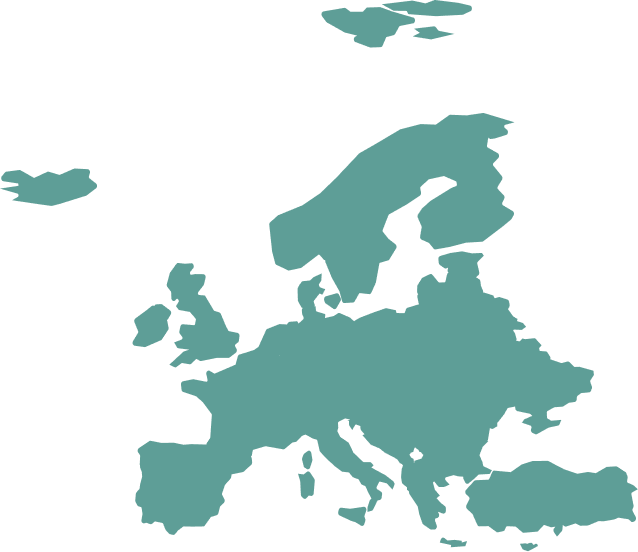
Europe and the UK
The annual mean fraud rate in the EU and UK has more than doubled, increasing by nearly 2.3 times. There are multiple theories as to what has caused this, but the one that feels the most plausible is that this rise is an effect of added regulations and compliance requirements in the EU and UK.
Many more companies are now obligated to adopt formal anti-fraud and KYC solutions, some for the first time, leading to increased adoption of identity verification in higher-risk countries and industries. This leads to the prevention of fraud which, prior to adopting IDV solutions, went unnoticed. So, while a part of the increase is due to new fraud, a good portion isn't necessarily new fraudulent activity but is newly measured activity that was previously invisible.
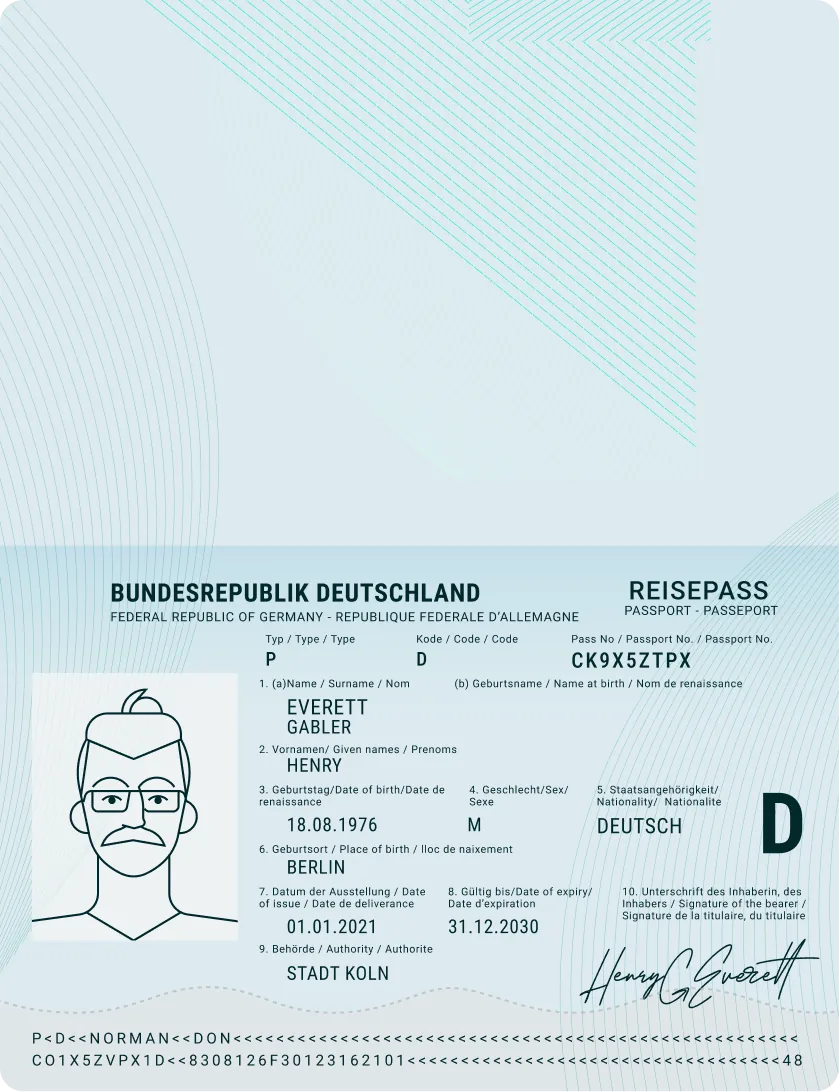
Of the fraudulent activity in this region, most of it has been centered around the mis-use of ID cards. At 13% attempted fraud rate, these are by far the documents used most for fraudulent purposes. This is 2x higher than the figure for the second most fraudulent document in the EU - passports (6%).

North America
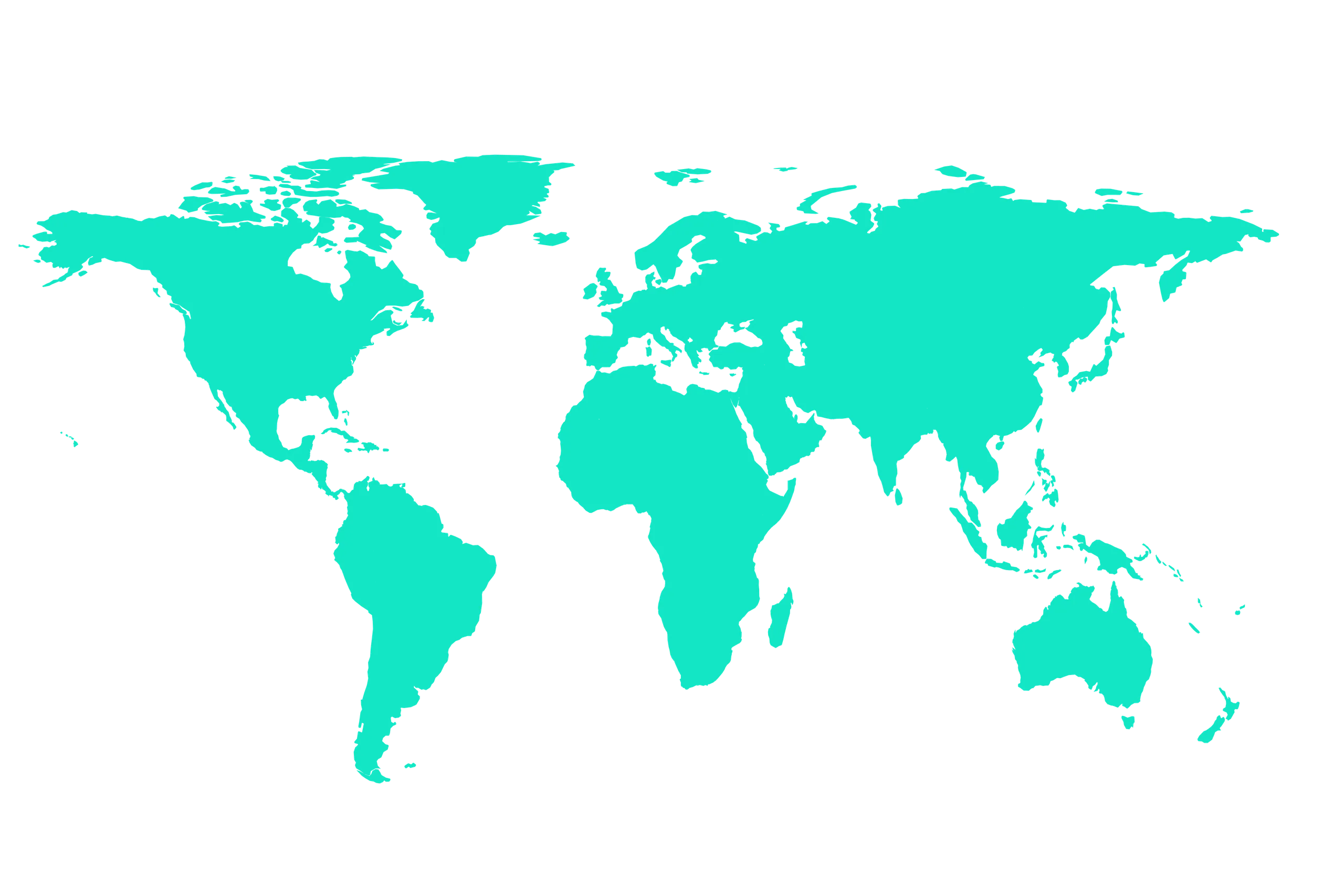
The net fraud rate in North America was pretty consistent between 2024 and 2025 - and comparable with the global average. However, one area where North America stood out was in the world of document fraud.
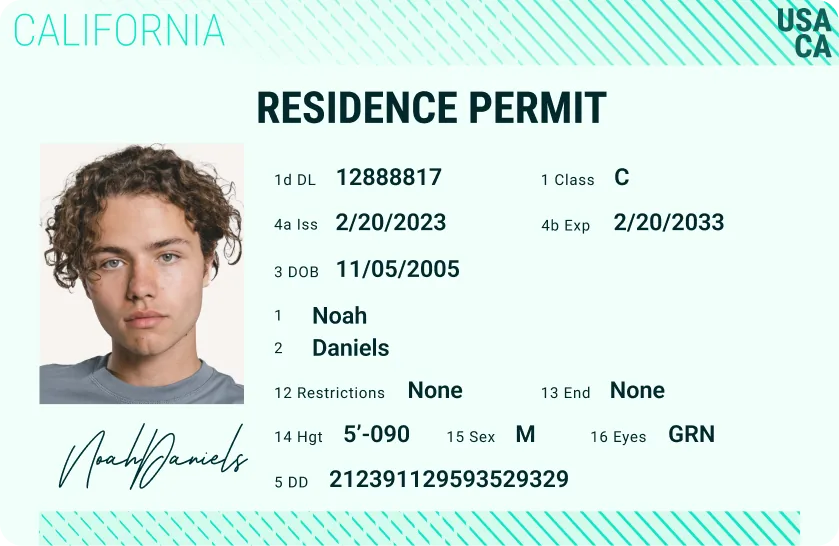
In 2025, 20% of all fraud recorded in North America was document fraud, which is significantly higher than in any other region. Breaking that down further, we see that North American residence permits are nearly 3x more likely to be used in fraudulent attempts compared to other document types - Veriff has observed an average fraud rate as high as 18.6% for these documents in 2025, with the financial services sector being heavily targeted.
The only industry where residence permits were not the most fraudulent documents in North America in 2025 was the gambling sector - with ID cards coming in at 12.9% average fraud rate.

Latin America
Latin America also experienced a consistent fraud rate from 2024 to 2025. Impersonation fraud was at 86% for this region, while document fraud sat at 13%, the second highest in the world behind only North America.
Passports remain the documents most likely to be used in fraudulent sessions in Latin America, just as they did in 2024 and 2023, with a 5.82% average fraud rate in 2025. ID cards across the region were the second most likely document used for fraudulent activity, but this jumped significantly when looking at the gambling sector in Latin America, where ID cards are used in attempted fraud at the rate of 11.8%.
Hover over the graphs to see the % of each fraud type
Please use desktop of tablet version to view these graphs
Fraud rate by document type, by region
% of Net fraud rate
europe
% of Net fraud rate
namer
% of Net fraud rate
latam
Do you know the true cost of fraud on your business?
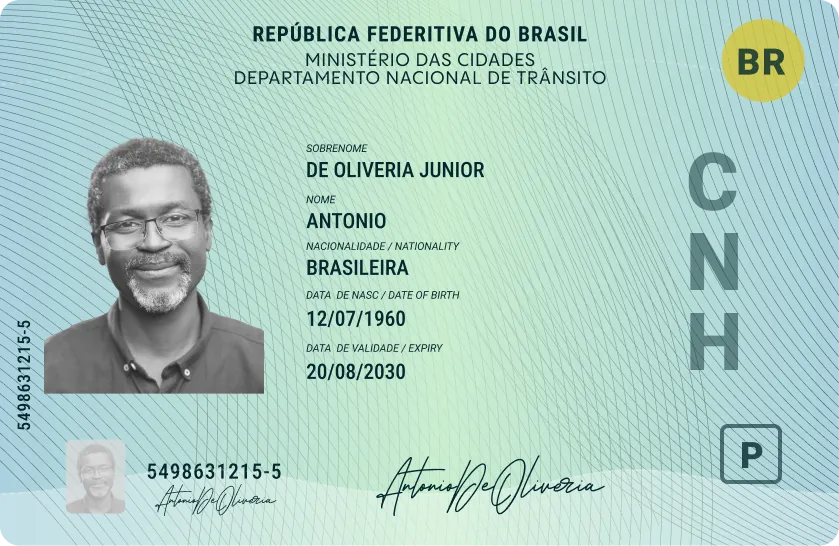
The types of documents used to commit fraud also vary from region to region:
part 7
What the future holds
How Veriff can help you fight the AI threat
Technology to identify manipulated images

Biometric analysis of photographs and videos
The ability to identify patterns across verifications and customers
Examination of key device attributes
Veriff’s software development kits (SDKs) are secure and robust by nature because we can control their interactions, making it difficult for fraudsters to digitally inject media into the stream. In effect, we build a hard wrapper around our system, ensuring that content that’s captured or uploaded is valid. We also offer a multi-dimensional approach to tackling these problems:
Veriff’s platform is built on sophisticated models that constantly evolve, providing a multi-layered approach that combines threat-mitigation tools. We treat the absence of data as a risk factor itself and provide a robust and comprehensive check of identity documents.
Ira BondAr-Mucci, Fraud Platform Lead, Veriff
Want to discover how Veriff can help you combat online fraud?
The multi-layered fraud prevention ecosystem
Veriff is building the infrastructure for trust online. We are doing this by helping digital organizations to do the following three things:
Fight ever-more sophisticated fraud
Achieve growth on a global scale
To do these three things, businesses must ask three key questions of their customers:
Is this person real at the moment of signing up for an account?
Is this person trusted - are they a potential fraud risk or are they a high-value customer?
Is this still the same real and trusted person logging in throughout the lifetime of that account?
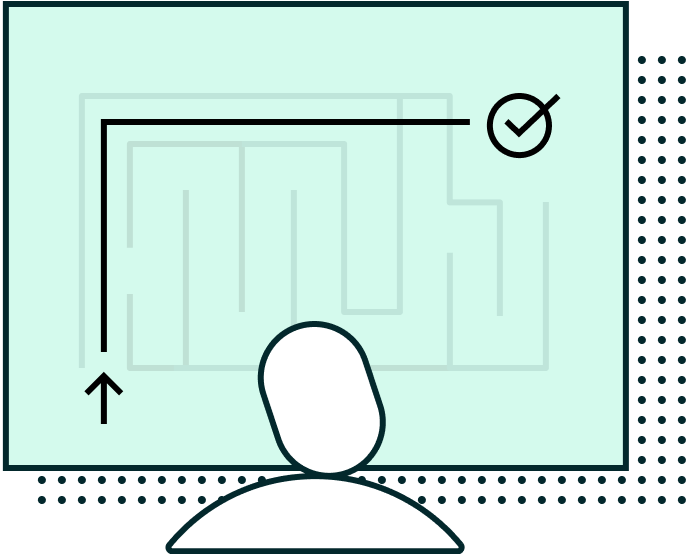
The customer identity solution is built to answer the questions facing businesses today
Human thought behind the machine learning
Staying ahead of deepfake fraud
Veriff uses machine learning to detect patterns or anomalies that identify fraud, including those created with deepfakes. This could involve detecting inconsistencies in facial features, skin texture, or lighting conditions. But even with advanced AI, some deepfakes might be sophisticated enough to fool automated systems. Having trained professionals review flagged cases can provide an extra layer of security.
By combining these techniques with ongoing research and development, we aim to stay one step ahead of emerging fraud techniques and safeguard our systems and users against potential threats.
Veriff is uniquely placed because we have the ability to provide positive answers to the challenges facing businesses today.
Our IDV solution verifies users at the point of sign-up to your systems, confirming they are genuine. Our cross-linking and risk scores create a powerful network effect from across our customer base that enables you to determine whether a customer is to be trusted. And our Biometric Authentication solution enables you to ensure the returning user is still the genuine owner of the account throughout that account’s lifespan.
We have been seeing deepfakes for a couple of years already in our customers’ sessions. With the recent generative AI boom, we can see more and more of these kinds of sessions coming in, where the images have been generated with AI. We take a multi-layered approach to combating deepfakes and AI-generated media.
One key strategy is implementing face liveness checks to validate the authenticity of human presence. This involves using algorithms to detect subtle facial movements and responses, ensuring that the individual interacting with our systems is indeed real.
In addition, we employ a variety of checks to validate the legitimacy of documents. This includes leveraging machine learning algorithms to analyze document features and detect anomalies or signs of manipulation, as well as our proprietary document specimen database populated by document experts.
Discover how Veriff can protect you from deepfake fraud?
How we do it ⬇️
Our core Document and Identity Verification solution uses advanced AI and is supported by fraud mitigation tools. We deploy machine learning-powered checks, advanced fraud network mitigation strategies, and a team of in-house counter-fraud experts to help protect organizations.
Meanwhile, our Fraud Protect solution helps to identify patterns and deliver actionable insight built on industry expertise, enabling users to approve greater numbers of genuine users and eliminate more fraud. Its elements are:

Which searches for signs of physical or digital data or structural manipulation.
This prevents individuals suspected of fraud from attempting to access your business.
Offers biometric analysis of the user’s selfie image for signs of physical or digital manipulation.
Which collects and analyzes multiple signals from the user’s device and network to identify potential risk.
CrossLinks and RiskScore techniques are something we utilize across our portfolio to build a comprehensive picture of fraud-related danger, including the risks from deepfakes (see below for more detail).
Analyzing the biometric characteristics from a submitted selfie image to ensure that the subject is real and physically present during the verification, as well as checking for signs of manipulation.
DocCheck:
FaceBlock:
FaceCheck:
DeviceCheck:
CrossLinks and RiskScore:
FaceCheck Liveness:
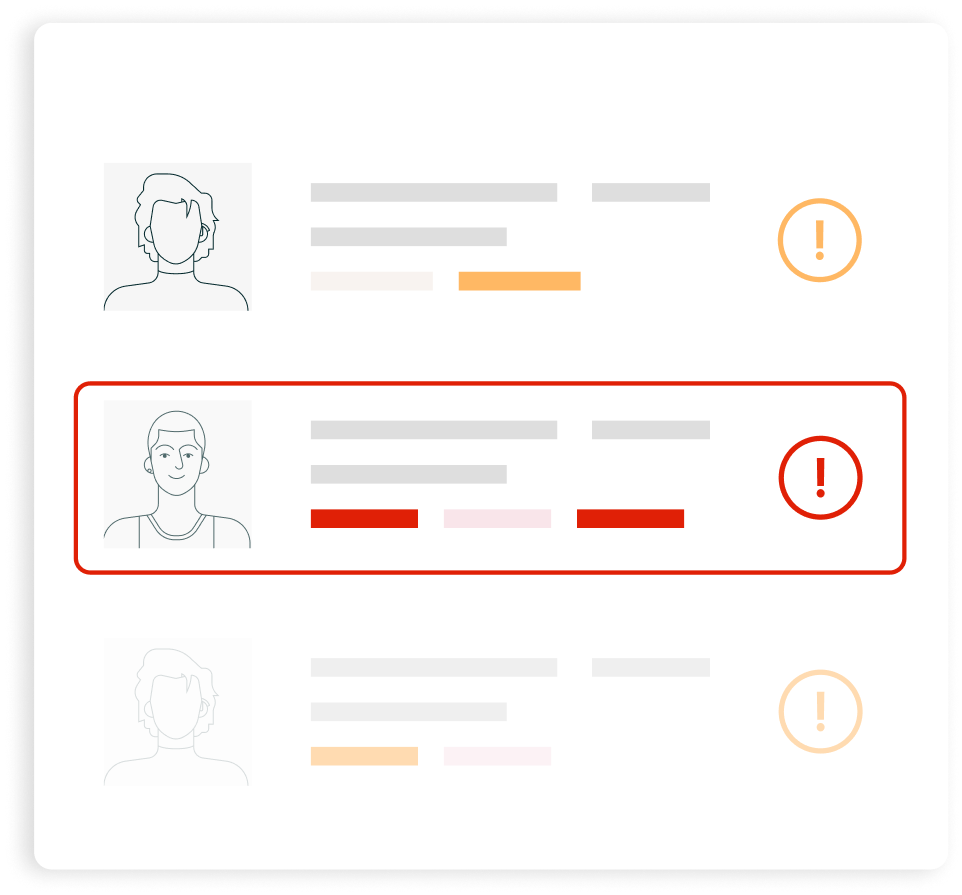

We have the ability to crosslink multiple pieces of information to derive new insights and fraudulent patterns that are not detectable when analyzing a single session in isolation - meaning we can group together verifications with similar data points, helping us to identify fraudsters who might use multiple fake identities on different occasions across our network.
This capability has deepened and expanded. We have long been capable of identifying a document that shows up on multiple occasions with the same customer, or the same biometrics, IP address, or device characteristics.
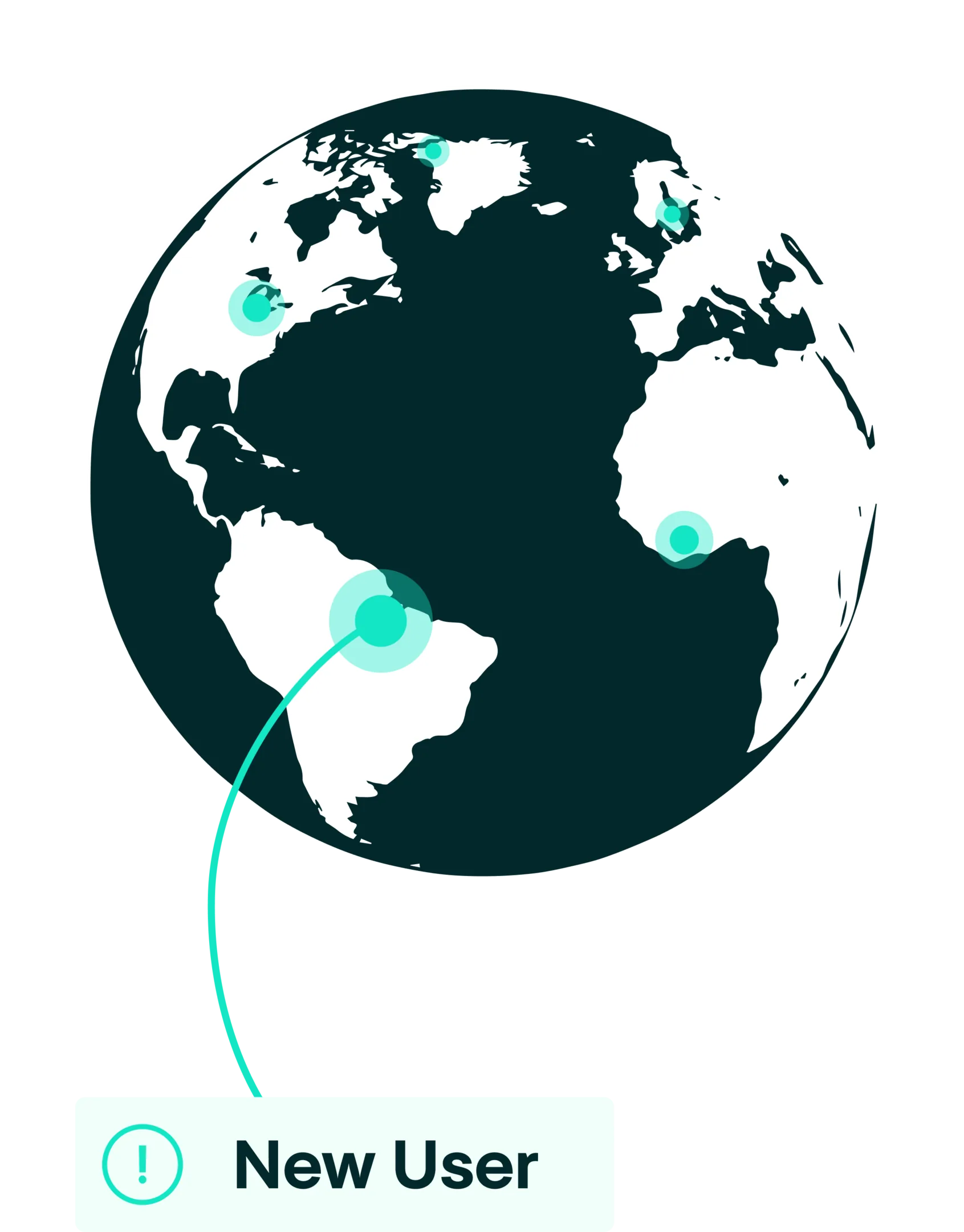
With Industry CrossLinks, we can look cross-customer, within the same industry vertical - for example, looking to see if the same fraudster has been working across our financial services customers - and the fact we work globally means we can spot evolving trends that a customer working on their own would never be aware of. All of this can happen without any personally identifiable information being shared across customers.
This is effective because fraudsters will always try to reuse their tools and tactics across multiple organizations. Even as they turn to machine learning, AI, and deepfakes, they will reuse credentials, templates, and faces. Our Industry CrossLinks capability stops them in their tracks.
CrossLinks in action:
learn more
We have plenty of resources available for you to learn more about fraud, and how to protect your business.
Visit our dedicated Fraud Education Center here

Learn more about the threat of AI and deepfakes here
Discover the cost of fraud with our interactive RoI calculator here
Explore our fraud-prevention solutions here

Veriff is a global identity platform helping businesses build trust online. Our AI-native technology combines automation and human expertise to quickly and accurately verify users worldwide with minimal friction.
Our trust infrastructure helps businesses stay compliant, prevent fraud, protect users, and scale globally, enabling a safer, more transparent internet for everyone.

Contributions
The Veriff Identity Fraud Report 2026 team:
Ira Bondar-Mucci
Fraud Platform Lead
Papuna Abesadze
Senior Data Analyst

Chris Hooper
Global Director of Corporate Marketing

Glo Vallejo
Senior Graphic Designer

Speak to one of our fraud experts today to discover how we can create customizable fraud protection for your business.